
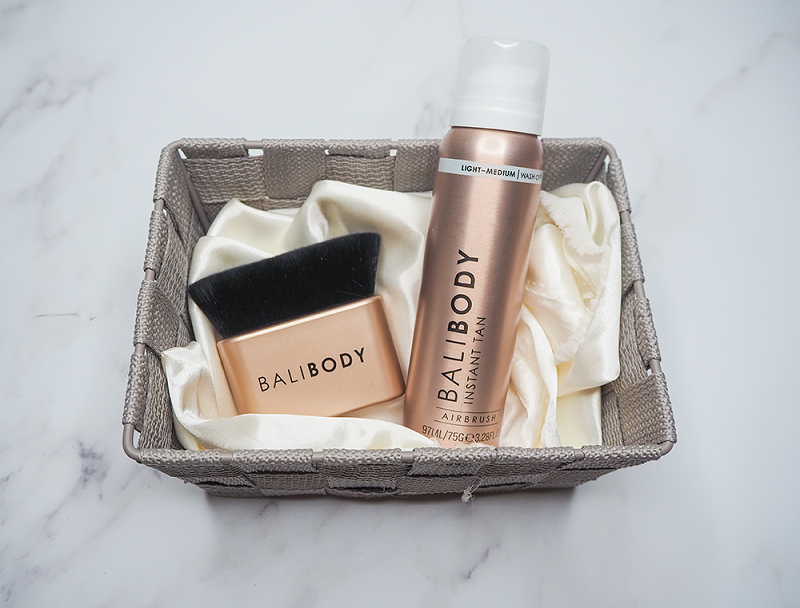
New Bali Body Instant Tan and Body Blending Brush review
Can a cosmetic bronzer from an Australian brand genuinely deliver a streak-free, natural-looking finish — or is the Bali Body Instant Tan riding on good packaging and algorithm-friendly aesthetics?
That’s a fair question. The self-tanning market is crowded, and brands that built their audience on social media are not always the ones that put the most into their formulas. Bali Body sits in a specific tier: mid-price, widely available, heavily marketed. What follows is a close look at whether the Instant Tan and the accompanying Body Blending Brush hold up under real conditions — and, critically, who they’re actually right for.
What the Bali Body Instant Tan Formula Actually Does
The Bali Body Instant Tan is a cosmetic bronzer, not a DHA-based developer. That’s the single most important thing to understand before you buy it. DHA (dihydroxyacetone) is the active ingredient in traditional self-tanners — it reacts chemically with amino acids in the outer layer of skin to produce lasting colour that develops over 6–8 hours. The Bali Body Instant Tan doesn’t do that. It deposits pigment on top of the skin, which is why colour appears immediately and washes off in the shower.
This is not a flaw. It’s a different category. Whether that category fits what you need is a separate question.
The formula is water-based with coconut oil as a key conditioning ingredient. It’s lightweight in texture and doesn’t have the thick, foamy consistency of mousse-style tanners like the St. Tropez Self Tan Bronzing Mousse ($38 USD for 200ml). Applying it feels closer to a tinted body lotion than a traditional self-tan product — which also means it requires slightly more deliberate blending to avoid pooling at joints.
Shade Range and Which Skin Tones It Works For
Bali Body typically offers the Instant Tan in four shades: Light, Medium, Dark, and Ultra Dark.
The Light shade reads as a believable sun-kissed warmth on fair to light complexions. It’s the lowest-risk starting point if you’re unfamiliar with how the product settles. The Medium shade is the most versatile — it generally works across a broader range of skin tones without pulling orange, and it’s the shade most consistently described as natural-looking in real-world use.
The Dark and Ultra Dark shades require more careful application. On lighter skin tones, they can skew noticeably warm — not quite orange, but not convincingly sun-bronzed either, particularly around the hairline and ankle areas where product tends to collect. On medium to deep skin tones, the darker shades typically deliver more natural results. Undertone matters significantly here: cool or pink-leaning complexions may find the warm pigment base works against them rather than with them.
How Long It Lasts — and What Instant Actually Means in Practice
A single application under normal conditions — indoors, light physical activity — typically holds for a full day without significant fading or transfer. Sweat, friction from clothing, and prolonged fabric contact all accelerate product lift. Tight waistbands, bra straps, and sock lines will show transfer. White clothing on the same day is not advisable.
For extended outdoor wear — a beach day, outdoor event in summer heat — reapplication is realistically needed by mid-afternoon if you started in the morning. Compare that to the Bondi Sands Aero Tanning Foam ($20–25 USD), which develops over 1–2 hours but typically holds through five to seven days of regular showering. That longevity gap is substantial, and it’s the central tradeoff you’re making with any cosmetic bronzer versus a DHA product.
What the washable format does offer is a genuine safety net. Uneven application? Rinse it off and start again. Wrong shade? No seven-day commitment to a result you dislike. That forgiving quality is not insignificant — a DHA application that goes wrong is a multi-day problem with no clean exit.
Texture, Drydown, and Scent
The formula sets in approximately 5–7 minutes under normal room conditions. Once dry, it doesn’t feel tacky or heavy. The coconut oil leaves a subtle sheen — skin looks hydrated rather than flat, which supports the bronzed effect visually.
The coconut fragrance is strong. Not subtly present — genuinely strong, and it’s pronounced during and for several hours after application. If you have fragrance sensitivities, this product will likely be a problem. The scent appears to be a deliberate brand signature across the Bali Body range, not a formulation oversight.
The Body Blending Brush: One Honest Assessment
The Bali Body Body Blending Brush (approximately AUD $24.95, around USD $16–17) improves application accuracy — particularly on uneven areas like the knees, ankles, and elbows — compared to applying with bare hands. Placed against a quality self-tan mitt like the St. Tropez Velvet Luxe Mitt, the results are broadly comparable, with the brush offering slightly better precision on bony contours. If you already own a good mitt, the brush is an addition, not a replacement. For someone starting from nothing, it’s the more useful first purchase.
How Bali Body Compares to Bondi Sands, St. Tropez, and Isle of Paradise
Placing the Instant Tan alongside its closest competitors clarifies where it genuinely competes — and where the category difference makes direct comparison misleading.
| Product | Type | Price (approx. USD) | Colour Survives Shower? | Best Use Case |
|---|---|---|---|---|
| Bali Body Instant Tan | Cosmetic bronzer | $20–23 | No | Same-day events, first-time tanners |
| St. Tropez Self Tan Bronzing Mousse | DHA developer | $38 | Yes (5–7 days) | Lasting colour, experienced applicators |
| Bondi Sands Aero Tanning Foam | DHA developer | $20–25 | Yes (5–7 days) | Budget-friendly extended tan |
| Isle of Paradise Self-Tanning Drops | DHA developer | $28–29 | Yes (4–6 days) | Customisable depth, mixable with moisturiser |
| Loving Tan 2 Hr Express Mousse | DHA developer | $34–38 | Yes (5–7 days) | Deeper colour with faster development |
Where Bali Body Has a Real Advantage
Speed and reversibility. The Instant Tan delivers visible results in under ten minutes with zero development wait and no risk of waking up to a streaked result the following morning. For people new to self-tanning, this removes the most anxiety-inducing part of the process: the hours-long wait where you can’t see exactly how things are tracking.
The price point is also competitive. At roughly $20–23 USD, it’s cheaper than the St. Tropez mousse and comparable to the Bondi Sands Aero. For occasional rather than regular use, the cost-per-application is reasonable given that a light hand goes a long way.
Where Competitors Pull Ahead
Colour authenticity and durability. The Isle of Paradise Self-Tanning Drops in Medium ($28–29 USD) and the Bondi Sands Aero Tanning Foam both develop tones that read as more skin-like over time, because DHA reacts with the skin’s own surface proteins rather than coating on top of them. The result is colour that appears to come from within rather than sitting on the surface — a distinction that becomes visible in certain lighting, particularly outdoors.
For anyone who swims regularly, exercises in heat, or wants a tan that holds through several days without reapplication, a DHA product is simply the more practical tool. That’s not a criticism of Bali Body — it’s a category difference that the product makes no attempt to hide.
Application Mistakes That Reliably Cause a Patchy Result
- Skipping exfoliation the day before. Dry, flaking skin absorbs bronzing pigment unevenly. Exfoliate 24 hours ahead of application — not immediately before, since freshly exfoliated skin can be more porous and absorb product too quickly in certain patches.
- Ignoring barrier areas. Knees, elbows, and ankles pull product hard. A thin layer of unscented moisturiser over these points before tanning slows absorption and prevents dark accumulation. This applies to the Bali Body Instant Tan just as it does to any self-tan product.
- Going heavy on the first pass. Because colour appears immediately, there’s a temptation to apply more than the skin needs. Building in two thin layers typically delivers more even coverage than one heavy application — and it’s easier to correct before the product sets.
- Dressing before the product is fully dry. The five-to-seven-minute dry time is not approximate. Fabric pressed against semi-set bronzer creates streak lines that require showering and restarting to fix.
- Leaving product to dry in the brush bristles. The pigments in the Bali Body formula can permanently stain brush fibres if left to dry. Rinsing the Body Blending Brush immediately after use is the only reliable way to preserve it.
One additional note on brush technique: the flat-top shape works well on large, relatively flat surfaces — shins, thighs, shoulders, chest. For the crease behind the knee and the ankle joint itself, fingers offer more control. The brush geometry tends to miss narrow surface contours and can deposit product unevenly in those specific zones.
Who Should Buy This — and Who Should Choose Something Else
The Bali Body Instant Tan is the right product for one specific job: you need visible colour today, not in six hours, and you’re willing to reapply the next day. That use case is genuinely underserved by the rest of the self-tan market, which skews heavily toward DHA developers with their associated commitment periods and development anxiety.
For events, photo sessions, or simply testing whether a bronzed look suits your skin before committing to a DHA product for the first time, this delivers exactly what it advertises. The combo with the Body Blending Brush is worth considering specifically if you’re new to self-tanning and don’t already own a quality mitt — the visible application control shortens the learning curve.
When to Skip This and Choose Bondi Sands or Loving Tan Instead
If you want colour that holds through a week of summer activity, the Bali Body Instant Tan is the wrong tool. The Bondi Sands Aero Tanning Foam ($20–25 USD) develops in 1–2 hours, survives repeated showers, and costs roughly the same. For deeper or faster-developing colour, the Loving Tan 2 Hr Express Mousse ($34–38 USD) is a stronger pick — it delivers richer results with a lower tendency toward orange undertones. If budget is not the primary concern and colour accuracy across different skin tones matters most, the St. Tropez Self Tan Bronzing Mousse ($38 USD) has a longer track record and a more refined formula than most mid-tier alternatives.
Skin Type Considerations
Dry skin: The coconut oil content works in your favour. Skin looks hydrated post-application, and colour blends more smoothly on moisturised surfaces. Dry skin types don’t face the usual self-tanner disadvantage here.
Oily or acne-prone skin: Keep this product away from the face. The oil-rich formula applied above the jawline carries a real risk of contributing to congestion, particularly around the nose and chin. For facial colour, lighter options like the Bondi Sands Face Tanning Water or the Isle of Paradise Self-Tanning Drops mixed into a non-comedogenic moisturiser are more suitable choices.
Sensitive or fragrance-reactive skin: A 24-hour patch test on the inner arm before full-body application is the standard precaution. Reactions are not common, but the high fragrance concentration means those with known sensitivities should not skip this step.