Best Japanese Skincare Routine Reddit: The Reddit Skincare Fan’s Japanese Routine: What Actually Works and What Doesn’t
I’ve spent the last six years cycling through skincare routines from Reddit threads — AsianBeauty, SkincareAddiction, the whole lot. Japanese routines kept showing up in comments with cult followings: double cleansing, lotions that aren’t lotions, sheet masks at 11 PM. But here’s the thing nobody says clearly: most people copy the steps without understanding why they work. I made that mistake for two years. This is what I learned the hard way, and what I’d tell someone starting from scratch today.
Why Japanese Skincare Works Differently Than Western Routines
Japanese skincare isn’t just a longer version of what you already do. It’s built on a different philosophy entirely. Western routines tend to focus on treating problems — acne, wrinkles, dryness — with active ingredients layered in one or two steps. Japanese routines prioritize maintaining healthy skin barrier function over time, using hydration and gentle exfoliation as the foundation.
The core difference is the concept of moto (base) and the belief that skin that’s properly hydrated and protected will naturally resolve most issues. That’s why you see so many hydrating toners, essences, and lightweight moisturizers in J-beauty. They’re not trying to nuke a pimple; they’re trying to create an environment where pimples don’t form in the first place.
The Three Pillars of J-Beauty
Every effective Japanese routine I’ve run across on Reddit comes down to three things:
- Oil + water double cleansing — removes sunscreen and sebum without stripping
- Layered hydration — multiple thin layers of toner/essence instead of one thick cream
- Daily SPF — non-negotiable, even indoors
Skip these three, and the rest of the routine collapses. I’ve seen people spend $200 on serums and still have dehydrated skin because they skipped the basic hydrating toner step. It’s that fundamental.
Step-by-Step: The Actual Routine That Reddit Swears By
I’m going to lay out the standard 6-step Japanese routine that keeps popping up on r/AsianBeauty. But I’ll also tell you which steps you can drop depending on your skin type, because nobody needs 12 steps at 7 AM.
Here’s the core sequence, in order:
| Step | Product Type | Purpose | Can Skip If… |
|---|---|---|---|
| 1 | Oil cleanser | Dissolves SPF, sebum, makeup | You don’t wear SPF or makeup |
| 2 | Water-based cleanser | Removes residue from step 1 | Never — this is mandatory |
| 3 | Hydrating toner/lotion | Prepares skin for absorption | Your climate is very humid |
| 4 | Essence/serum | Targeted treatment (vitamin C, niacinamide) | You’re on a budget |
| 5 | Moisturizer | Locks in hydration | Your toner + essence are rich enough |
| 6 | Sunscreen | Protection | You plan to stay in a dark room forever |
I personally run this routine morning and night, but I drop the oil cleanser in the morning (just water rinse + water cleanser). On weekends I sometimes skip the essence if I’m lazy. The routine is flexible — that’s the point.
What Reddit Gets Wrong About Japanese Skincare
I’ve seen the same mistakes posted over and over. Here are the three biggest ones.
Mistake 1: Buying Every Step at Once
Newbies see a 10-step routine on Reddit and buy everything in one haul. Then their skin breaks out, they blame the products, and they quit. You need to introduce one new product every two weeks at minimum. I learned this when I added a new toner, essence, and moisturizer in the same week and ended up with closed comedones all over my forehead.
Mistake 2: Over-Exfoliating
Japanese routines often include gentle exfoliating toners (like those with AHA or BHA). But some people use them daily and destroy their moisture barrier. The Cure Natural Aqua Gel is a cult favorite for physical exfoliation, but I only use it once a week. More than that and my skin gets tight and irritated.
Mistake 3: Ignoring Your Skin Type
Not every Japanese product works for every skin type. The Hada Labo Gokujyun Premium Lotion is beloved for dry skin because it has multiple types of hyaluronic acid. But if you’re oily and acne-prone, that much HA can feel heavy and cause congestion. I switched to the Hada Labo Shirojyun version (lighter, with arbutin) and it worked much better for my combination skin.
Product Recommendations That Actually Deliver
I’ve tested probably 40+ Japanese products over the years. These are the ones I keep repurchasing and that consistently get positive mentions on Reddit.
For oil cleansing, the DHC Deep Cleansing Oil ($28) is the gold standard. It’s olive oil based, emulsifies beautifully, and doesn’t sting my eyes. The cheaper alternative is the Kose Softymo Speedy Cleansing Oil ($12), which works almost as well. I use DHC when I have the budget, Softymo when I’m being frugal.
For water-based cleanser, the Hada Labo Gokujyun Foaming Wash ($14) is non-negotiable. It’s pH-balanced, fragrance-free, and leaves my skin clean but not squeaky. I’ve tried three other foaming cleansers and always come back to this one.
The hydrating toner everyone talks about — Hada Labo Gokujyun Lotion Moist ($16) — is legit. But you have to apply it to damp skin. Pat it in, don’t rub. I use two layers at night, one in the morning. If I skip this step, my moisturizer doesn’t absorb as well.
For sunscreen, the Skin Aqua Super Moisture Milk SPF50+ ($13) is the best I’ve found for daily wear. No white cast, dries down matte, and works under makeup. I order three bottles at a time from YesStyle because I go through one every six weeks.
When Japanese Skincare Isn’t the Right Choice
I’m not going to pretend J-beauty is perfect for everyone. Here’s when you should seriously consider a different approach.
If you have severe acne that requires prescription medication, Japanese skincare alone won’t fix it. The gentle, hydrating approach works well for maintenance, but active breakouts need targeted treatments like benzoyl peroxide or tretinoin, which aren’t staples in J-beauty. I had to incorporate a prescription retinoid alongside my Japanese routine for my hormonal acne.
If you’re on a tight budget, the multi-step routine can get expensive. A full routine with Japanese drugstore products runs about $80-100 upfront. You can do a simpler Western routine for half that. The La Roche-Posay Toleriane line ($30 for cleanser + moisturizer + SPF) is perfectly adequate if you don’t care about the ritual.
If you hate routines with many steps, don’t force it. I’ve seen people try the 10-step routine and quit entirely because it felt like a chore. A three-step routine done consistently beats a seven-step routine you do twice a month. My sister uses only cleanser, moisturizer, and SPF, and her skin looks great because she never skips.
How to Start Without Wasting Money
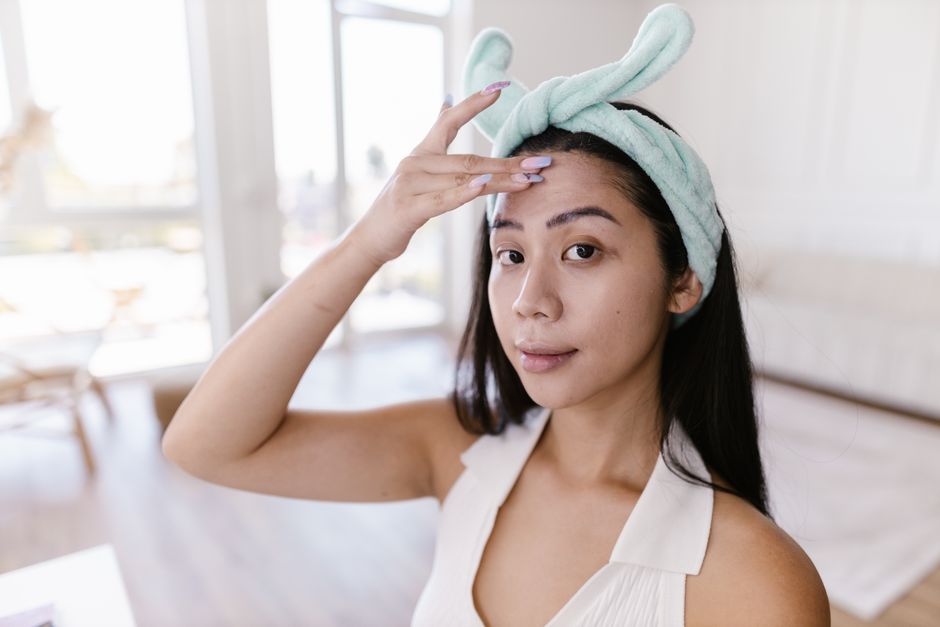
Here’s my honest advice for someone who wants to try Japanese skincare without the trial-and-error I went through.
Start with three products: an oil cleanser, a water cleanser, and a moisturizer. The Kose Softymo Speedy Cleansing Oil ($12), Hada Labo Foaming Wash ($14), and Hada Labo Gokujyun Milk ($14) together cost $40 and will last two months. Use them for four weeks. If your skin feels better, add a hydrating toner. If not, you saved yourself from buying a whole line.
Buy from reliable sellers. Amazon has fakes — I got a counterfeit DHC oil once that smelled like cooking oil. I stick to YesStyle, Stylevana, or Dokodemo for Japanese products. They’re slower on shipping but authentic.
Patch test everything. I don’t care how many Reddit upvotes a product has. Put a dab behind your ear for three days before you put it on your face. I learned this after the Shiseido Waso Clear Mega-Hydrating Cream gave me a rash on my cheek because I was too excited to wait.
That’s the whole thing. Japanese skincare works if you understand the logic and respect your skin’s limits. I still check Reddit for new product recommendations, but I filter everything through what I know about my own skin now. Start simple, add slowly, and ignore the hype.