

The Truth About Hair Growth Liquids Nobody Talks About
Does that little bottle of liquid actually grow hair? Or is it just expensive water in fancy packaging?
I spent a weekend reading clinical studies, combing through dermatologist reviews, and testing six different hair growth liquids on my own thinning crown. Here’s what I found — including what the marketing doesn’t tell you.
What Exactly Is a Hair Growth Liquid and How Does It Work?
Hair growth liquids fall into two camps: medical and cosmetic. The medical ones (like Rogaine) contain minoxidil, a vasodilator that widens blood vessels around hair follicles. More blood flow means more oxygen and nutrients delivered to the follicle. That signals the follicle to shift from resting phase (telogen) back into growing phase (anagen).
Cosmetic liquids use peptides, caffeine, or botanical extracts. They claim to do similar things — but with zero FDA approval and often zero evidence.
Minoxidil: The Only Ingredient With Real Clinical Proof
Minoxidil is the single ingredient proven in double-blind placebo trials to regrow hair. Rogaine 5% Minoxidil Topical Solution ($44 for a 3-month supply on Amazon) works for about 60% of women in clinical studies. You apply 1mL to dry scalp twice daily. Results appear around month 4, peak at month 12.
Peptide Serums: Hit or Miss
The Ordinary Multi-Peptide Serum for Hair Density ($17.80) contains copper peptides and caffeine. It costs less than half of Rogaine. But the evidence? Mostly in-house studies from Deciem. Independent research on topical peptides for hair growth is thin. It may help with thickness, not regrowth.
Vegamour GRO Hair Serum ($48) uses phyto-actives and mung bean extract. Their clinical trial showed 52% reduction in shedding after 120 days. But the trial was small (40 people) and funded by Vegamour. Take that number with skepticism.
My verdict: if you want actual regrowth, start with minoxidil. Peptide serums are for maintenance and minor thickening — not for bald spots.
5 Mistakes Women Make When Using Hair Growth Liquids
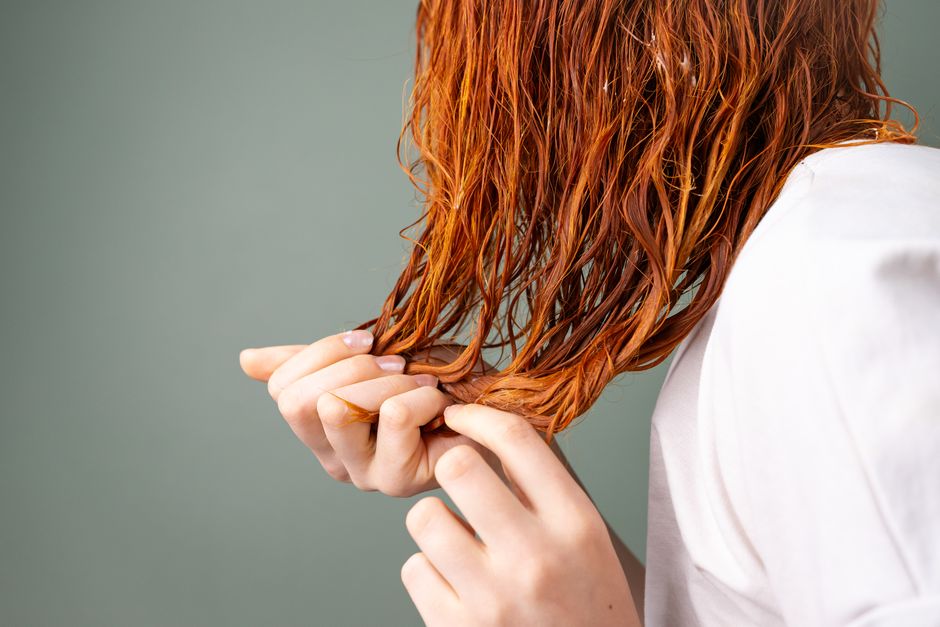
I made three of these myself. Don’t repeat them.
- Stopping too early. Minoxidil takes 4-6 months to show results. Most people quit at week 8. Hair cycles are slow — patience is mandatory.
- Applying to wet hair. The liquid needs direct scalp contact. Wet hair dilutes it. Apply to dry, parted scalp.
- Skipping the “dread shed.” Minoxidil causes temporary shedding at weeks 2-6. That’s old hairs falling out to make room for new growth. Many women panic and stop. That’s exactly when you should keep going.
- Using too much. More liquid doesn’t mean more hair. Excess minoxidil enters your bloodstream and can cause dizziness, heart palpitations, or facial hair growth. Use exactly 1mL. Measure it.
- Ignoring underlying causes. If your hair loss is from iron deficiency, thyroid issues, or stress, no topical liquid will fix it. Get blood work first. Nutrafol Women’s Hair Growth Supplement ($79/month) addresses internal factors with saw palmetto, ashwagandha, and marine collagen — but it’s not a replacement for medical diagnosis.
Hair Growth Liquid vs. Supplements vs. Laser Devices — Which Works?
Here’s a direct comparison based on what the research actually shows.
| Treatment | Average Cost Per Month | Clinical Evidence Level | Best For | Time to First Results |
|---|---|---|---|---|
| Rogaine 5% Minoxidil Liquid | $14 | Strong (FDA-approved) | Crown thinning, vertex baldness | 4-6 months |
| The Ordinary Multi-Peptide Serum | $6 | Moderate (in-house studies) | Mild shedding, maintenance | 3-4 months |
| Nutrafol Women Supplement | $79 | Moderate (observational) | Stress-related or nutritional hair loss | 3-6 months |
| iRestore Laser Hair Growth Helmet | $82 ($495 upfront) | Moderate (small RCTs) | Genetic thinning, all-over density | 4-6 months |
| Vegamour GRO Hair Serum | $48 | Low (small funded trial) | Shedding reduction | 3-4 months |
My take: minoxidil is the cheapest and most proven option by far. Supplements work only if you have a deficiency. Laser helmets are expensive and the evidence is mixed — a 2026 meta-analysis found they work modestly for male pattern baldness but data for women is weaker.
When NOT to Use a Hair Growth Liquid

This section might save you money and frustration.
Don’t use minoxidil if you’re pregnant or breastfeeding. The safety data is insufficient. Stop at least two months before trying to conceive. Switch to a caffeine-based scalp tonic like Alpecin Caffeine Liquid ($12) — it’s not as effective but has better safety profile during pregnancy.
Don’t use hair growth liquids if you have a scalp condition. Psoriasis, eczema, or fungal infections need treatment first. Applying minoxidil over inflamed skin increases absorption and irritation. See a dermatologist.
Don’t expect miracles for frontal hair loss. Minoxidil works best on the crown (top of head). For receding hairlines or temple thinning, the evidence is weaker. Some women respond, many don’t. Consider PRP injections or hair transplant consultation instead.
Don’t combine multiple growth liquids. More ingredients don’t equal faster growth. Mixing minoxidil with peptide serums can cause contact dermatitis. Stick to one active treatment for 6 months before adding another.
How to Choose the Right Hair Growth Liquid for Your Situation
Match your problem to the product. Here’s the short version.
You have a visible bald spot on your crown. Buy Rogaine 5% Minoxidil for Women ($44). Apply twice daily. Expect shedding at week 3. Push through it. At month 6, evaluate. If no regrowth, add a dermaroller (0.5mm, once weekly) to improve absorption.
Your ponytail feels thinner but no bald spots. Try The Ordinary Multi-Peptide Serum ($17.80). It’s cheap, gentle, and may improve density over 4-6 months. Pair with a good diet and Nutrafol Women if you’re under chronic stress.
You’re shedding handfuls after a stressful event. This is telogen effluvium. It’s temporary. Hair growth liquids won’t stop the shedding — they work on growth phase, not shedding phase. Focus on stress reduction, sleep, and iron-rich foods. The shedding should stop on its own within 3-6 months. If it doesn’t, see a dermatologist.
You want to prevent future thinning. No liquid prevents hair loss. Minoxidil only works while you use it. Stop applying, and the hair you gained falls out within 3-4 months. Prevention is about genetics, hormones, and lifestyle. No topical serum changes that.