
Best Moisturizer Mature Skin 2026: Technical Analysis of Barrier Repair Formulations
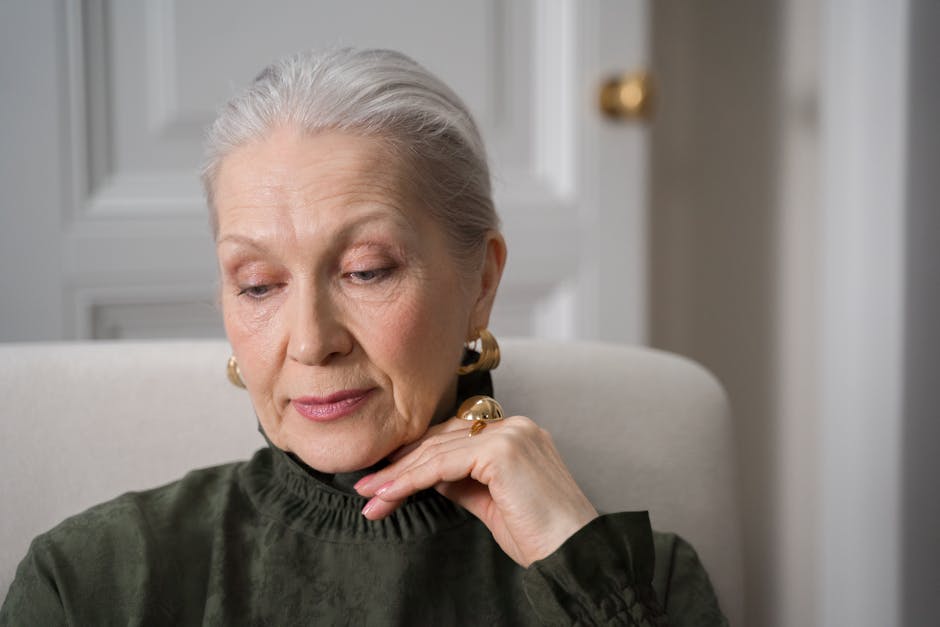
The cosmetic industry often markets moisturizers as a biological eraser, suggesting that a single topical cream can undo decades of structural cellular changes. This is a fundamental misconception. A moisturizer cannot physically lift sagging tissue or permanently remove deep-set expression lines; those are concerns typically reserved for clinical interventions. However, what a high-quality formulation can do is address the physiological depletion of the skin barrier that occurs after the age of 50. As estrogen levels drop and sebum production slows, the skin’s ability to retain moisture—and its structural integrity—diminishes. The goal of selecting the best moisturizer for mature skin is not to find a “miracle” but to identify a formula that mimics the skin’s natural lipid profile to prevent transepidermal water loss (TEWL) and support the basement membrane.
Understanding the chemistry of these products requires looking past the marketing jargon of “youth-restoring” and focusing on the concentration of lipids, humectants, and occlusives. Mature skin is characterized by a thinner stratum corneum and a significant reduction in ceramides, cholesterol, and fatty acids. When these components are out of balance, the skin becomes reactive, dull, and prone to “creping.” By replenishing these specific molecules, we can significantly improve the skin’s texture and resilience. This analysis looks at the data behind current market leaders to determine which formulations actually deliver on the promise of barrier restoration.
What biological changes dictate the need for specific mature skin moisturizers?
To understand why a standard lightweight lotion often fails for those over 50, we must examine the specific degradation of the skin’s architecture. The primary driver of aging skin’s dryness is the decline in the skin’s natural moisturizing factor (NMF) and the slowing of desquamation—the process by which the skin sheds dead cells. In younger skin, the lipid bilayer acts as a tight seal. In mature skin, this seal becomes porous. This porosity allows moisture to evaporate rapidly into the air, a process known as transepidermal water loss. If you find that your skin feels tight only two hours after applying a cream, your moisturizer likely lacks the necessary occlusive strength to lock in hydration.
The Role of the Lipid Trio: Ceramides, Cholesterol, and Fatty Acids
Research indicates that for mature skin, a specific ratio of lipids is more effective than a high concentration of a single ingredient. The “Golden Ratio” often cited in dermatological studies is approximately 2:4:2 (ceramides to cholesterol to fatty acids). Cholesterol, in particular, becomes a vital ingredient as we age because it helps maintain the fluidity of the cell membranes. Many drugstore brands focus heavily on ceramides because they are a recognizable buzzword, but without the supporting cholesterol and fatty acids, those ceramides cannot be fully integrated into the skin’s barrier. When evaluating a product, look for these three components listed together near the top of the ingredient deck.
Addressing Inflammaging Through Topical Support
Another factor often ignored is “inflammaging”—a state of chronic, low-grade inflammation that accelerates the breakdown of collagen and elastin. Mature skin is more susceptible to environmental stressors because its defense mechanisms are weakened. Effective moisturizers for this demographic should include soothing agents like niacinamide (Vitamin B3) or centella asiatica. Niacinamide is particularly valuable because it serves a dual purpose: it stimulates the body’s own production of ceramides while simultaneously calming the redness associated with a compromised barrier. It is a workhorse ingredient that bridges the gap between simple hydration and active treatment.
Best moisturizers for mature skin 2026: Technical performance and ingredient analysis

The current market offers a wide spectrum of choices, from clinical-grade formulations available at specialty retailers to accessible options found at major retail chains. When choosing, the texture often dictates the user experience, but the ingredient concentration dictates the results. Below is a comparative analysis of the top-performing moisturizers currently available through major retail partners.
| Product Name | Key Active Ingredients | Approx. Price | Primary Benefit |
|---|---|---|---|
| SkinCeuticals Triple Lipid Restore 2:4:2 | 2% Ceramides, 4% Cholesterol, 2% Fatty Acids | $150 | Advanced barrier repair and lipid replenishment |
| La Roche-Posay Toleriane Double Repair | Ceramide-3, Niacinamide, Glycerin | $22 | Prebiotic support for sensitive, aging skin |
| Olay Regenerist Micro-Sculpting Cream | Amino-peptides, Vitamin B3, Hyaluronic Acid | $27 | Surface cell turnover and immediate plumping |
| CeraVe Skin Renewing Night Cream | Biomimetic Peptides, MVE Technology | $20 | Slow-release hydration for overnight recovery |
SkinCeuticals Triple Lipid Restore 2:4:2
This product is frequently cited by dermatologists as the gold standard for mature skin. The formulation is specifically designed to address the “lipid hole” that occurs with age. Pro: It contains a patented ratio of 2% pure ceramides, 4% natural cholesterol, and 2% fatty acids, which has been clinically proven to improve skin smoothness and pore appearance. Con: The price point is significantly higher than most retail options, and the inclusion of essential oils like lavender and rosemary may irritate those with extreme fragrance sensitivity. It is a heavy-duty cream best suited for those experiencing significant dryness and thinning of the skin.
La Roche-Posay Toleriane Double Repair Face Moisturizer
For those who require a lighter texture but still need barrier support, this formulation is highly effective. It utilizes prebiotic thermal water to support the skin’s microbiome, which is often disrupted in older individuals. Pro: It is oil-free and fragrance-free, making it an excellent choice for those with rosacea or reactive skin. The inclusion of niacinamide helps with evening out skin tone. Con: It may “pill” (ball up) if layered over certain silicone-heavy serums, requiring a bit of trial and error with your existing routine. It is widely available at retailers like Boots or through various awin-affiliated pharmacies.
Olay Regenerist Micro-Sculpting Cream
Olay has maintained its position in the market by focusing on peptides. Peptides are short chains of amino acids that act as messengers, telling the skin to produce more collagen. Pro: The high concentration of Vitamin B3 (Niacinamide) provides visible brightening and texture improvement within a few weeks of consistent use. Con: The original version is heavily scented, which many find overwhelming. It also contains several silicones; while these provide a smooth finish for makeup application, they do not offer the same deep physiological repair as a lipid-centric cream. However, for an accessible retail option, its performance-to-price ratio remains high.
Evaluating the cost-to-benefit ratio of luxury versus drugstore formulations
There is a persistent debate regarding whether luxury moisturizers offer tangible benefits over their more affordable counterparts. From a formulation science perspective, the answer is nuanced. Often, the “prestige” price tag pays for elegant packaging, sophisticated scent profiles, and exclusive patents. However, in the case of mature skin, the quality of the raw materials matters. For example, high-purity cholesterol is an expensive ingredient to stabilize in a cream. Drugstore brands often substitute these expensive lipids with petrolatum or mineral oil. While these are excellent occlusives—they stop water from leaving the skin—they do not actively “repair” the barrier in the way that bio-identical lipids do.
“While petrolatum is the most effective occlusive we have, it acts like a plastic wrap over the skin. For mature skin, we need ingredients that actually integrate into the intercellular cement, not just sit on top of it.”
When to Splurge and When to Save
If your primary concern is extreme dryness, flaking, or a “paper-thin” feeling, investing in a lipid-rich cream like the SkinCeuticals option or a high-end French pharmacy brand is often worth the expenditure. These products are engineered to penetrate the upper layers of the skin more effectively. Conversely, if your skin is relatively healthy and you are simply looking for maintenance, drugstore options like CeraVe or Vanicream provide excellent basic hydration. These brands utilize MVE (Multivesicular Emulsion) technology to release ingredients slowly over 24 hours, which is highly beneficial for maintaining hydration levels throughout the day without the need for constant reapplication.
The Retailer Advantage
Shopping through major retail platforms often provides access to bundle deals or loyalty points that can offset the cost of high-end skincare. Many telecom and finance partners associated with affiliate networks offer cashback or rewards that can be applied to purchases at department stores or specialized beauty retailers. When purchasing, it is advisable to check for “value sizes” or refillable pods, which are becoming more common in the luxury sector as a way to reduce both environmental impact and the long-term cost of the product.
Optimizing the application protocol for maximum lipid absorption
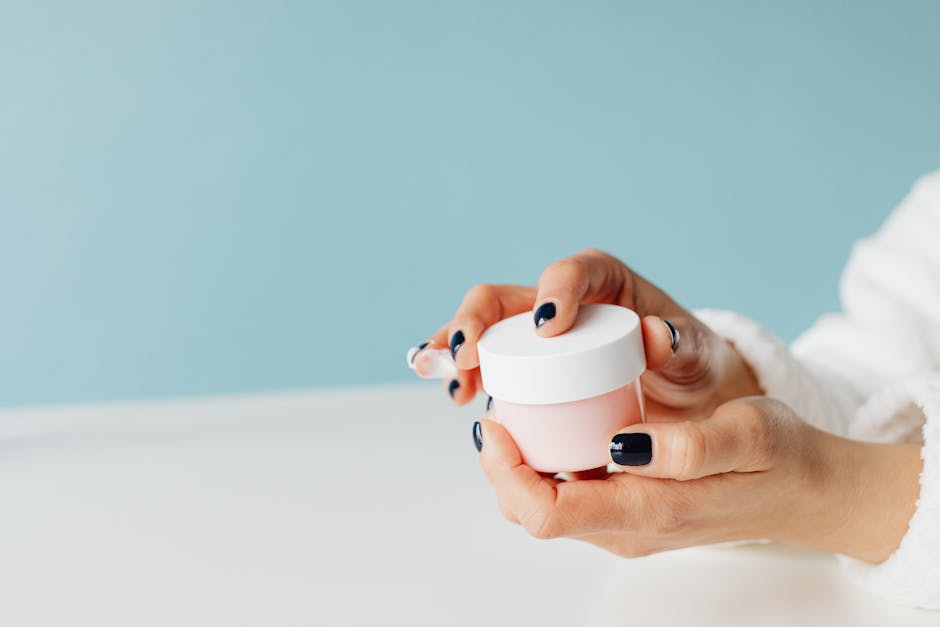
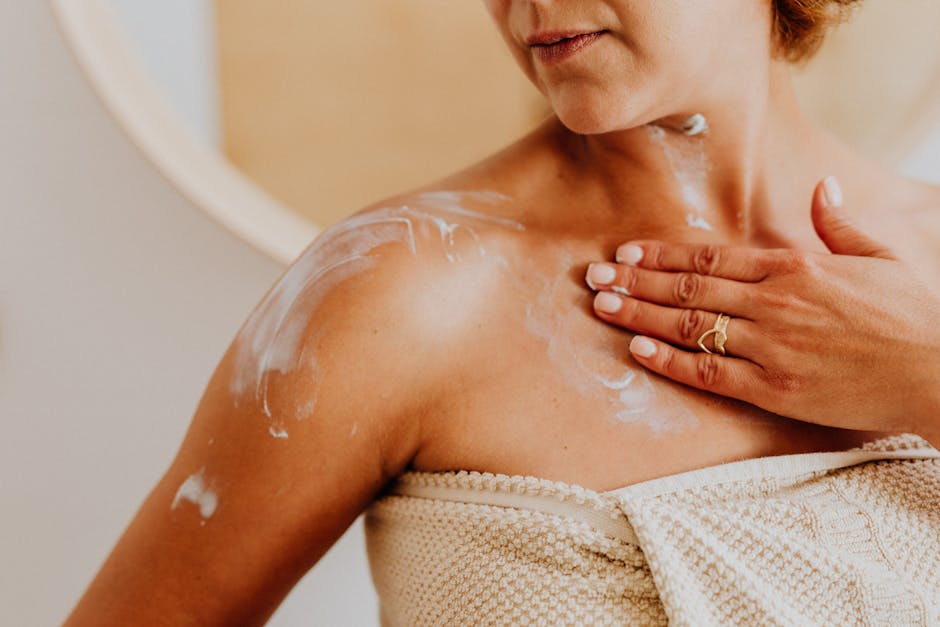
The efficacy of even the best moisturizer for mature skin is heavily dependent on how it is applied. As we age, the skin’s surface can become “compacted” with dead skin cells, which act as a barrier to the very cream you are trying to apply. A moisturizer applied to bone-dry, unexfoliated skin will mostly sit on the surface and eventually evaporate or rub off on your pillowcase. To get the most out of your investment, a specific protocol should be followed to ensure the active ingredients reach the layers where they can do the most good.
- Apply to Damp Skin: This is the single most important step. After cleansing, pat your face with a towel so it is still slightly moist. This allows humectants like hyaluronic acid and glycerin to “grab” that surface water and pull it into the skin.
- Warm the Product: For thicker, lipid-heavy creams, take a pea-sized amount and warm it between your fingertips. This reduces the viscosity of the waxes and oils, allowing for a thinner, more even application that absorbs more readily.
- The Press-and-Roll Technique: Instead of rubbing the cream in vigorously—which can tug on fragile, mature skin—press the product into your face using the palms of your hands. Follow this by gently rolling your fingers over the skin to encourage circulation.
- Seal with an Oil (Optional): If you live in an extremely dry climate or have exceptionally parched skin, applying two drops of a face oil (like squalane or marula oil) over your moisturizer can act as a secondary seal, preventing any of the hydrating ingredients from escaping.
Layering with Active Serums
Mature skin routines often include powerful actives like retinol or Vitamin C. The order of operations is critical. Generally, products should be applied from thinnest to thickest consistency. Water-based serums go first, followed by your moisturizer. However, if you find that your skin is becoming irritated by a prescription retinoid, you can use the “sandwich method”: apply a thin layer of moisturizer, then your retinoid, then another layer of moisturizer. This slows down the penetration of the active ingredient, reducing irritation without significantly compromising the results. This is a particularly effective strategy for those transitioning their routine into the winter months when the skin barrier is naturally more vulnerable.
Ultimately, the best moisturizer for mature skin is one that you will use consistently. Whether you choose a high-science lipid restorer or a reliable drugstore classic, the key is to understand that your skin’s needs have changed. It requires more than just a surface-level drink of water; it requires a structural reinforcement of its natural defenses. By focusing on the lipid trio and proper application techniques, you can maintain a resilient, hydrated, and healthy complexion regardless of age.