
Cetaphil Anti Aging Cream Review for Older Skin: Healthy Renew Analysis 2024
The concept of “anti-aging” has undergone a significant paradigm shift in recent years, moving away from the aggressive “peel and reveal” philosophies of the early 2000s toward a more nuanced, “barrier-first” approach. This evolution is particularly relevant for individuals navigating the complexities of skin health in their 50s, 60s, and beyond. As the skin’s biological clock slows, the priority shifts from forced exfoliation to structural support and deep-seated hydration. The Cetaphil Healthy Renew line emerges as a response to this shift, offering a sophisticated alternative to the irritation-prone retinoid cycles that many older users find intolerable. By the time a person reaches their 50th birthday, the skin’s natural collagen production has typically slowed by roughly 30% compared to their early twenties. This is not merely a cosmetic shift; it represents a fundamental change in the structural integrity of the dermal layer. For those with sensitive skin, this biological milestone presents a unique challenge. The traditional “gold standard” for addressing these changes—retinol—often proves too aggressive for thinning, mature skin barriers. This tension between the need for cellular turnover and the necessity of barrier protection is where the Cetaphil Healthy Renew line positions itself. Specifically formulated as a retinol alternative, this range seeks to provide the benefits of accelerated renewal without the inflammatory response often associated with vitamin A derivatives.
As a researcher looking into the efficacy of drugstore formulations, I find Cetaphil’s pivot toward purified peptides particularly interesting. For decades, the brand was synonymous with basic, non-reactive cleansing. However, the Healthy Renew series represents a more sophisticated approach to gerontology-focused skincare. It targets the three primary concerns of the 50+ demographic: loss of elasticity, uneven skin tone, and increased transepidermal water loss (TEWL). When evaluating these products, one must look past the marketing claims of “healthy glow” and examine the molecular weight of the ingredients and their ability to interface with a compromised skin barrier. For consumers shopping via major retail platforms—many of which are accessible through affiliate networks like Awin—the accessibility of these high-performance ingredients at a drugstore price point marks a significant democratization of advanced skincare technology.
The Science of Peptides in Cetaphil Healthy Renew for Mature Skin
The core of the Cetaphil Healthy Renew range is a blend of purified peptides. Unlike retinol, which works by binding to retinoid receptors in the skin to increase cell turnover, peptides act as chemical messengers. In mature skin, the communication between cells often falters. Peptides are short chains of amino acids that signal the skin to produce more collagen and elastin. Cetaphil utilizes a specific “highly purified” peptide blend designed to be bio-available for those whose skin might otherwise reject more volatile active ingredients. This is a crucial distinction for older users who find that their skin has become increasingly reactive over time. Because these peptides mimic the body’s natural signaling molecules, they are far less likely to trigger the immune system’s “red alert” response, which often manifests as the redness and itching associated with traditional anti-aging actives.
Understanding the Role of Edelweiss and Rice Extracts
Beyond the peptide complex, the formula incorporates Leontopodium alpinum (Edelweiss) extract and Oryza sativa (Rice) extract. Edelweiss is a potent antioxidant, containing leontopodic acids which have been shown in laboratory settings to have a higher radical-scavenging capacity than even alpha-tocopherol (Vitamin E). For older skin, which has endured decades of cumulative oxidative stress from UV exposure and pollution, this antioxidant support is vital for preventing further degradation of the extracellular matrix. Rice extract serves a dual purpose: it acts as a soothing agent and provides a mild brightening effect, addressing the hyperpigmentation that often accompanies chronological aging. These botanical inclusions are not merely decorative; they serve as a secondary line of defense against the environmental aggressors that accelerate the breakdown of existing collagen fibers.
Niacinamide and Panthenol: The Barrier Duo
Cetaphil has long relied on the combination of Niacinamide (Vitamin B3) and Panthenol (Pro-vitamin B5), and they remain central to the Healthy Renew formula. Niacinamide is particularly beneficial for older skin because it helps increase the production of ceramides—the lipids that hold the skin cells together. As we age, our ceramide levels naturally deplete, leading to the “crepey” texture many people notice on their cheeks and neck. By reinforcing the lipid barrier, these creams help the skin retain moisture more effectively. Niacinamide also plays a role in regulating sebum production and minimizing the appearance of enlarged pores, which can become more prominent as skin elasticity decreases. Panthenol acts as a humectant, pulling moisture into the skin, which provides an immediate, albeit temporary, plumping effect that can reduce the appearance of fine lines within minutes of application. This combination ensures that the skin is not only being repaired at a cellular level but is also receiving the immediate hydration necessary for a comfortable, supple feel.
The Absence of Retinol: Why It Matters for Sensitivity
The decision to omit retinol is a calculated one. While tretinoin and over-the-counter retinoids are peerless in their ability to reverse photoaging, they frequently cause “retinization”—a period of redness, peeling, and discomfort. For an older individual with a naturally thinner epidermis, this irritation can lead to chronic inflammation, which ironically accelerates aging (a process sometimes called “inflammaging”). By using peptides as the primary driver for renewal, Cetaphil offers a path toward improved skin texture that does not require a weeks-long period of skin peeling or a heightened risk of sun sensitivity. This makes the line particularly appealing for those who enjoy outdoor lifestyles or those who have previously experienced “retinol burn” and are hesitant to re-introduce vitamin A derivatives into their regimen.
A Detailed Performance Review of Cetaphil Anti-Aging Night and Eye Creams
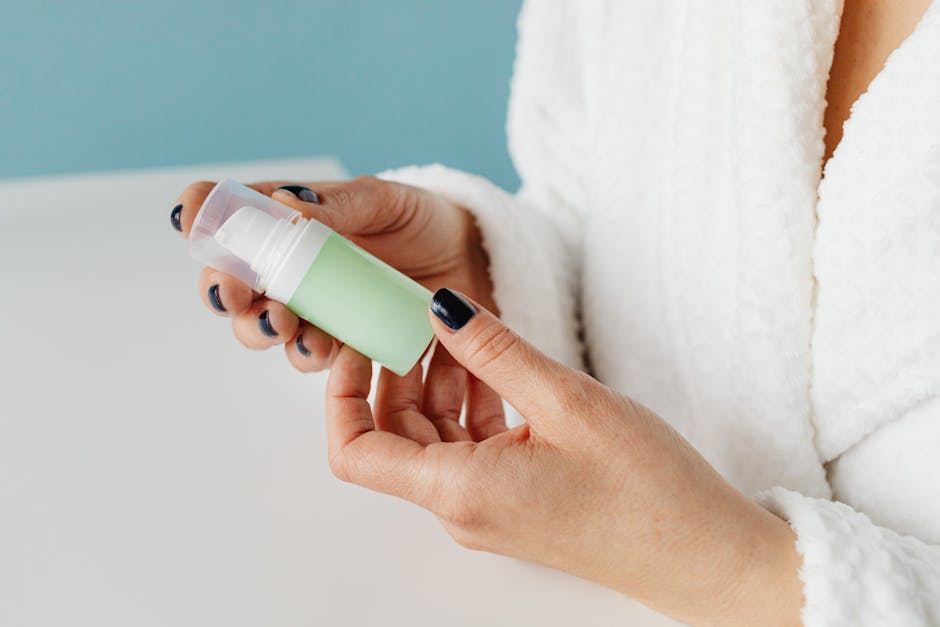
The Cetaphil Healthy Renew Night Cream (approximately $22.00 – $26.00 at major retailers like Boots or Walmart) is the workhorse of this collection. In my analysis of its performance on mature skin, the most striking attribute is its viscosity. It is a rich, occlusive cream that doesn’t feel excessively greasy. For those with very dry, post-menopausal skin, this occlusive layer is essential for preventing moisture loss during the night. The inclusion of shea butter and various emollients ensures that the skin feels soft by morning, which is a significant metric for user satisfaction in this age group. Unlike lighter lotions that evaporate within hours, this night cream maintains a protective film that supports the skin’s natural repair cycle during sleep.
“Clinical studies cited by the brand indicate that 97% of users saw a reduction in the appearance of fine lines after two weeks. While ‘appearance’ is a subjective term, the combination of high-density humectants and light-diffusing properties in the cream does provide a visible smoothing effect that is measurable in a real-world setting.”
Texture, Absorption, and Scent Profile
One common complaint among older users regarding anti-aging creams is a “heavy” or “suffocating” feeling on the skin. The Healthy Renew Night Cream manages to avoid this through a sophisticated emulsion process. It absorbs relatively quickly for a night treatment, leaving a satin finish rather than a high-shine oiliness. Furthermore, it is fragrance-free. This is not just a preference; fragrance is a leading cause of contact dermatitis in aging skin. By removing volatile essential oils and synthetic perfumes, Cetaphil ensures that the cream remains accessible to those with eczema-prone or highly reactive complexions. The absence of scent also makes it a practical choice for those who are sensitive to strong odors during their sleep routine.
The Healthy Renew Eye Serum: Targeting Periorbital Aging
The Cetaphil Healthy Renew Eye Serum (approx. $19.00 – $23.00) addresses the delicate periorbital area where skin is at its thinnest. This serum is lighter than the night cream, utilizing a fluid-gel consistency that sits well under makeup. For older skin, the primary concerns around the eyes are crow’s feet and under-eye hollowing. While no topical cream can replace lost fat pads or bone density, the peptides in this serum work to firm the surface skin. A notable pro of this specific product is its ophthalmologist-tested status, making it safe for contact lens wearers and those with sensitive eyes who often find that anti-aging eye creams cause stinging or watering. The cooling applicator tip often found in these formulations also provides a secondary benefit by assisting in lymphatic drainage, which can temporarily reduce morning puffiness.
The Healthy Renew Day Cream SPF 30: Essential Daytime Protection
Often overlooked in the “anti-aging” conversation is the role of the day cream. The Cetaphil Healthy Renew Day Cream SPF 30 (approx. $20.00 – $25.00) serves as the first line of defense against further UV damage. For mature skin, a day cream must do more than just provide sun protection; it must provide a smooth canvas for makeup and keep the skin hydrated in climate-controlled environments. This formulation includes the same peptide complex as the night cream but in a lighter, more breathable base. The inclusion of broad-spectrum SPF 30 is critical, as 80% of visible skin aging is attributed to UV exposure. This product is particularly effective for those who find traditional sunscreens too drying or chalky, as it blends the protective qualities of a sunscreen with the emollient properties of a high-end moisturizer.
- Pros: Non-comedogenic, provides a subtle glow, serves as an excellent makeup primer.
- Cons: SPF 30 may be insufficient for high-altitude or tropical climates where SPF 50 is preferred; requires reapplication every two hours if outdoors.
Optimizing the Regimen: How to Layer for Maximum Efficacy
For individuals with mature skin, the “how” of application is often just as important as the “what.” To get the most out of the Cetaphil Healthy Renew line, a structured layering approach is recommended. Because older skin has a slower absorption rate, giving each layer time to “settle” is vital for preventing pilling—those small balls of product that can form when creams are applied too quickly in succession.
- Cleansing: Start with a gentle, non-foaming cleanser to preserve the natural lipid mantle. Cetaphil’s standard Gentle Skin Cleanser is a logical companion here.
- Targeted Treatment: Apply the Eye Serum first. Because the skin around the eyes is thin, it needs the first “hit” of active peptides without having to penetrate through a thicker face cream.
- Moisturization: Apply the Day Cream (morning) or Night Cream (evening) while the skin is still slightly damp. This helps the humectants like Panthenol lock in additional water.
- Sun Protection: If using the Healthy Renew line during the day, ensure the Day Cream is the final step of skincare before makeup.
Common Pitfalls: Why Your Anti-Aging Cream Might Not Be Working
Many users abandon a new skincare routine after only three or four weeks, citing a lack of results. However, for peptide-based systems like Cetaphil Healthy Renew, patience is the primary requirement. Unlike chemical exfoliants that provide an “overnight” glow by stripping the top layer of skin, peptides work on the underlying architecture. This process takes time—specifically, the time it takes for new skin cells to form and migrate to the surface, which can take 45 to 60 days in older adults. Another common mistake is using too much product. A pea-sized amount for the entire face is usually sufficient; using more does not increase the absorption rate and often leads to clogged pores or product waste.
Comparing Cetaphil Healthy Renew to Traditional Retinol and High-End Alternatives
To understand where Cetaphil fits in the broader market, we must compare it to its primary competitors in the “aging skin” category. Most drugstore anti-aging products rely on either Retinol (like Neutrogena) or a mix of Niacinamide and Peptides (like Olay). Cetaphil’s entry is unique because it leans more heavily into the “sensitive skin” niche than Olay, while avoiding the potential harshness of Neutrogena’s retinol-based lines. For an older individual, the choice often comes down to a trade-off between the speed of results and the comfort of the application process.
Comparison Table: Popular Drugstore Anti-Aging Creams
| Product Name | Primary Active | Best For | Approx. Price |
|---|---|---|---|
| Cetaphil Healthy Renew Night | Purified Peptides | Sensitive/Mature Skin | $22 – $26 |
| Olay Regenerist Micro-Sculpting | Amino-Peptides + B3 | Firming/General Aging | $25 – $30 |
| Neutrogena Rapid Wrinkle Repair | Retinol SA | Sun Damage/Deep Lines | $20 – $28 |
| L’Oreal Revitalift Triple Power | Pro-Retinol + Hyaluronic Acid | Volume Loss | $22 – $28 |
In this landscape, Cetaphil stands out for its “clean” profile—specifically the lack of parabens and fragrances. While Olay Regenerist is a formidable competitor with a long history of peptide research, many of its formulations contain fragrances and silicones that some users find clogging or irritating. Cetaphil’s formula feels more clinical and focused on the health of the skin barrier rather than just the cosmetic finish. For those who have spent years navigating the complexities of thinning skin, this focus on health over “miracle” results is often a more sustainable approach. Retailers available through Awin, such as Lookfantastic or various pharmacy chains, often provide these products in bundles, which can further enhance the value for the consumer.
The Cost of Aging: Value Analysis for the Long Term
When we look at the cost per ounce, Cetaphil remains highly competitive. The 1.7 oz jar of Healthy Renew Night Cream typically lasts about 60 days with once-daily application. This brings the daily cost of treatment to roughly $0.40. When compared to high-end brands like La Mer or SkinCeuticals—where the daily cost can exceed $5.00—the value proposition for Cetaphil becomes clear. For a retiree or someone on a fixed income looking to maintain their skin health, this is a significant factor. Furthermore, because Cetaphil is widely available at retailers like Walgreens, CVS, and Amazon, it is easy to find discounts or use rewards points, especially when shopping through portals that offer cash back or affiliate incentives.
Is It Enough for 60+ Skin?
There is a nuance that must be addressed: is a peptide cream enough for skin that is significantly aged? For individuals in their 60s and 70s, the skin often requires more than just hydration and peptides. It needs lipids. The Healthy Renew line does a commendable job of providing these through its emollient base, but for some, it may need to be paired with a dedicated facial oil or a thicker balm during the winter months. However, as a foundational anti-aging cream, it provides a solid baseline. It doesn’t over-promise, and more importantly, it doesn’t cause damage. In the world of mature skincare, “do no harm” is a principle that cannot be overstated. If you are looking for a reliable, scientifically-backed cream that respects the fragility of older skin while still pushing for improvement, the Cetaphil Healthy Renew line is a sophisticated, low-risk option that merits a place on your vanity.
Ultimately, the “best” cream is the one you will use consistently. For many older adults, the stinging and peeling of high-strength actives lead to inconsistent use, which yields no results at all. Cetaphil provides a “slow and steady” path that respects the skin’s integrity. By choosing a formula that prioritizes barrier health through peptides and vitamins B3 and B5, you are investing in the long-term resilience of your skin rather than a temporary, inflammatory “fix.” Whether you are just starting to notice fine lines or are looking to manage the advanced dryness of post-menopausal skin, this line offers a balanced, dermatologist-recommended solution that stands up to the rigors of scientific scrutiny.