Korean Skincare Chicago: Where to Find Authentic Products and Expert Advice
Nearly 40% of skincare products sold in the U.S. under the “Korean beauty” label are counterfeit or reformulated to meet American regulations. That statistic comes from a 2026 consumer protection report, and it means the $400 you just spent on a Sulwhasoo Concentrated Ginseng Cream might be a watered-down version at best—or a skin-irritating fake at worst.
If you live in Chicago or are visiting, here is the problem: you want the real 10-step glow. But between Amazon resellers, boutique shops in Wicker Park, and department store counters, how do you know which products actually match what Korean women use in Seoul? This article walks through the best places to buy authentic Korean skincare in Chicago, how to spot a counterfeit, and how to build a routine that actually works for your skin type. This is not legal advice—consult a licensed attorney for any disputes about counterfeit goods or retailer liability.
Why Authenticity Matters More in Korean Skincare Than Other Beauty Categories
Korean skincare regulations are stricter than U.S. FDA rules for cosmetics. The Korean Ministry of Food and Drug Safety (MFDS) bans over 1,400 ingredients. The FDA bans only 11. That difference means a product labeled “Korean” in the U.S. may legally contain ingredients that are banned in South Korea.
For example, the Beauty of Joseon Relief Sun SPF50+ uses chemical filters that are approved in Korea and Europe but not yet FDA-approved. The U.S. version of this sunscreen uses different filters that don’t offer the same UV protection. You are paying for a name, not the formula.
What Gets Lost in Translation
Reformulation is common. Brands like Missha and COSRX often change preservatives or fragrances to comply with U.S. regulations without changing the label. The result? A product that triggers breakouts or irritation even though the Korean version works perfectly.
The Price of a Fake
A counterfeit Sulwhasoo First Care Activating Serum costs about $50 less than the real $95 bottle. But the fake may contain industrial-grade mineral oil, cheap fragrance, or even bacteria from unsterile filling. A single reaction can cost hundreds in dermatologist visits and ruined skin barriers.
Best Physical Stores for Korean Skincare in Chicago
Chicago has several reliable brick-and-mortar options. These stores carry authentic stock, often imported directly from Korea with original packaging and ingredient lists.
| Store | Location | Key Brands | Price Range | Best For |
|---|---|---|---|---|
| Beaute & Bien | Wicker Park (Milwaukee Ave) | Sulwhasoo, Missha, COSRX, Laneige | $$–$$$ | Premium lines, expert consultations |
| K-Beauty Boutique | Chinatown (Cermak Rd) | Beauty of Joseon, Etude House, Innisfree | $–$$ | Budget-friendly, sheet masks, beginners |
| Sephora (Michigan Ave) | Loop (Michigan Ave) | Glow Recipe, Laneige, Tatcha | $$–$$$ | Convenience, return policy, brand variety |
| H Mart (Niles or Naperville) | Suburbs (Dempster St or Naper Blvd) | Missha, COSRX, Etude House, Nature Republic | $–$$ | Large selection, Korean grocery attached, deals |
Beaute & Bien in Wicker Park is the most reliable for high-end Korean skincare. The owner imports directly from Korean distributors and can verify batch codes. K-Beauty Boutique in Chinatown is better for drugstore brands like Etude House and Innisfree. Prices are 10–20% lower than Sephora.
How to Verify a Product Is Authentic Before You Buy
Counterfeiters are getting better. Packaging looks identical. Batch codes are often faked. Here is how to check before you hand over your card.
Check the Batch Code
Every Korean skincare product has a batch code printed on the box or bottle. Use a free app like CheckFresh or CosmeticBatchCode. Enter the code. The app will tell you the manufacturing date and whether the code matches the brand’s format. If the code is invalid, the product is likely fake.
Look for the Korean Label
Authentic Korean products sold in Korea have Korean text on the primary label. U.S.-market versions often have English-only labels. If the box has only English but the brand is Korean, it was probably reformulated for the U.S. market. For the real formula, buy the Korean import version.
Compare the Texture and Scent
This takes experience, but you can learn. The COSRX Advanced Snail 96 Mucin Power Essence should be slightly viscous, almost stringy, with a faint earthy smell. If it is watery or smells like alcohol, it is counterfeit. Buy one bottle from a trusted source first. Use that as your reference.
Building a Routine That Matches Your Skin Type (Not the Hype)
The 10-step routine is marketing. Most women in Seoul use 5 to 7 steps. You probably need fewer. Here is a honest breakdown based on skin type, not influencer trends.
For oily or acne-prone skin: Double cleansing is non-negotiable. Use an oil cleanser like Banila Co Clean It Zero ($18) followed by a water-based cleanser like COSRX Low pH Good Morning Gel Cleanser ($12). Add a BHA exfoliant like Paula’s Choice 2% BHA ($34) twice a week. Skip the sleeping mask. Your skin needs less occlusion.
For dry or dehydrated skin: Skip the foam cleanser. Use only a cream cleanser or cleansing balm. Add a toner like Laneige Cream Skin Refiner ($38), which is actually a toner-moisturizer hybrid. Layer a serum like Sulwhasoo First Care Activating Serum ($95) before your moisturizer. Use a sleeping mask every night.
For sensitive skin: Cut the routine to 4 steps. Cleanser, toner, moisturizer, sunscreen. Use Etude House SoonJung 2x Barrier Intensive Cream ($18). It has only 6 ingredients. Avoid fragrance, essential oils, and alcohol. The Beauty of Joseon Relief Sun SPF50+ is fragrance-free and mineral-filter-based, which is safer for reactive skin.
Common Mistakes Chicago Residents Make with Korean Skincare
Chicago has hard water. The city’s water contains high levels of calcium and chlorine. That changes how your skincare performs.
Mistake #1: Not adjusting for hard water. Hard water reacts with soap-based cleansers, leaving a residue that clogs pores. Switch to a low-pH cleanser (pH 5.0–5.5). The COSRX Low pH Good Morning Gel Cleanser is a solid choice. Use a clarifying toner after cleansing to remove mineral deposits.
Mistake #2: Over-exfoliating in winter. Chicago winters are brutal. Humidity drops below 30% indoors. Your skin barrier is already stressed. Using a physical scrub or high-concentration acids will cause redness and peeling. Stick to gentle chemical exfoliants like Some By Mi AHA-BHA-PHA 30 Days Miracle Toner ($22) no more than twice a week.
Mistake #3: Buying based on influencers, not ingredients. A TikTok-famous product may not work for your skin. The Glow Recipe Watermelon Glow Niacinamide Dew Drops ($35) is popular, but it contains fragrance and essential oils that irritate sensitive skin. Read the ingredient list. If you see “parfum” or “limonene” high on the list, proceed with caution.
When to Buy Online vs. In-Store in Chicago
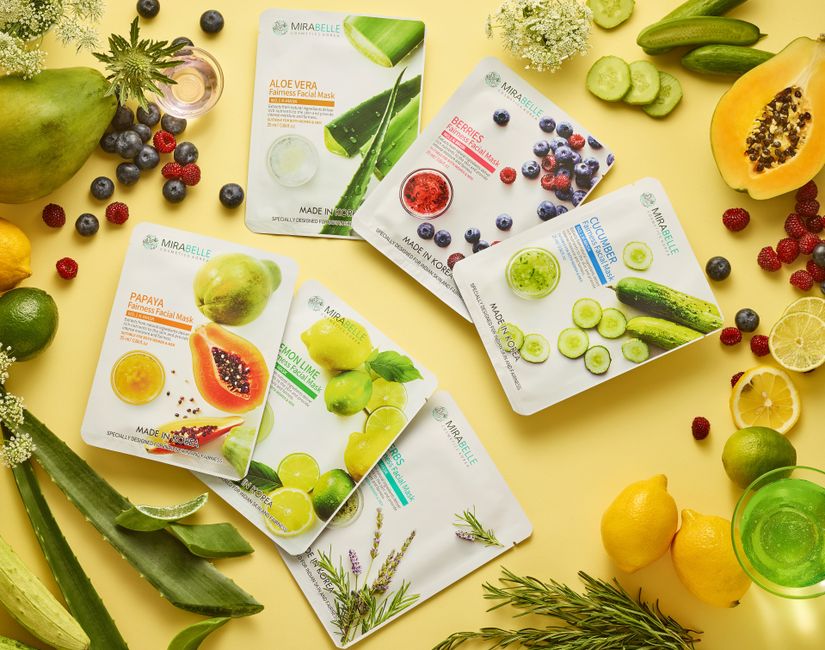
Online shopping gives you access to Korean-exclusive products. In-store shopping lets you test texture and check authenticity. Here is when each makes sense.
Buy online from Korean retailers (like YesStyle, Olive Young Global, or StyleKorean) when you know the exact product you want and you are okay waiting 2–3 weeks for shipping. Prices are 20–40% lower than U.S. retail. The catch: returns are difficult and shipping costs add up.
Buy in-store in Chicago when you are trying a new brand or have reactive skin. Visit Beaute & Bien or K-Beauty Boutique to test textures. Ask for a sample. Most stores will give you one if you ask politely. Test the product on your jawline for 3 days before committing to a full bottle.
Avoid Amazon third-party sellers unless you are certain the seller is authorized. Counterfeit rates on Amazon for Korean beauty products are estimated at 15–20%. Stick to Amazon’s official brand stores (like COSRX or Laneige) or use the H Mart online store for delivery.
For the best starting point in Chicago: go to K-Beauty Boutique in Chinatown this weekend. Bring a list of your skin concerns. Buy a travel-size cleanser and a moisturizer. Test them for a week. If they work, invest in full sizes. If they don’t, you are out $20 instead of $80. That is the smartest way to build a Korean skincare routine without wasting money on products that sit in your bathroom cabinet.