
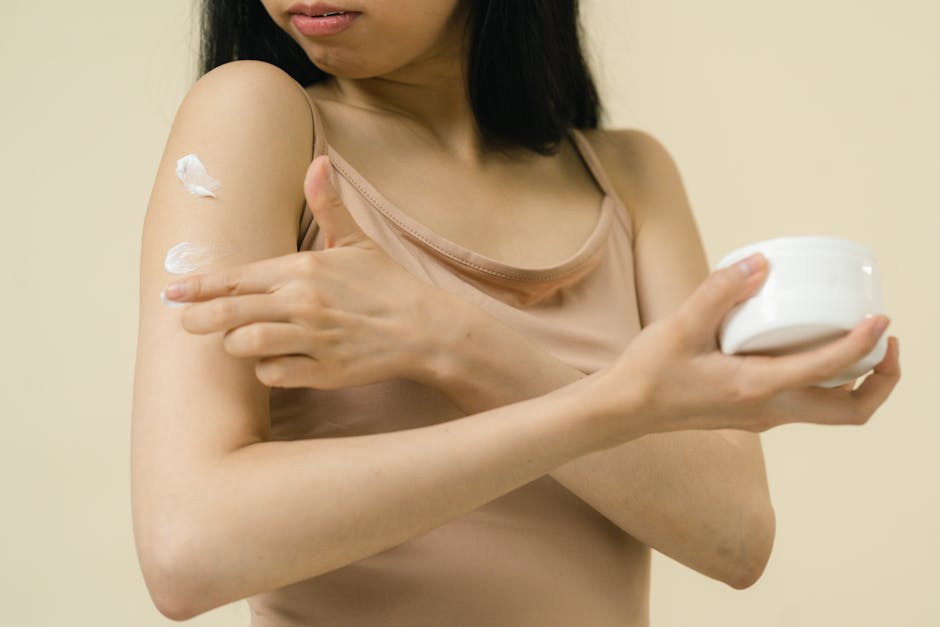
Japanese Moisturizers: Get Hydrated Skin, Seriously.
Listen, you’re probably buying the wrong moisturizer. Most people are. Japanese skincare isn’t about fancy packaging; it’s about efficient, effective hydration. Period. Stop throwing money at products that don’t match your skin’s actual needs. We’re cutting straight to what works, no fluff.
Stop Wasting Money: The Right Moisturizer for Your Skin Type
This isn’t complicated. Your skin type dictates your moisturizer. If you’re slapping on a heavy cream when you have oily skin, you’re asking for trouble. Same goes for dry skin folks using a watery gel and wondering why they still feel tight. Get it right from the start.
Dry Skin: What to Look For
Dry skin needs serious help. You need occlusives and emollients. Think rich, creamy textures. Ingredients like ceramides, squalane, and petrolatum derivatives are your friends. They lock in moisture and repair your compromised skin barrier. Don’t mess around with lightweight lotions; they won’t cut it. You need a formula that feels substantial, not greasy.
The goal is to prevent trans-epidermal water loss. A good moisturizer for dry skin creates a protective layer. It shouldn’t just sit on top; it needs to integrate and soothe. Look for ingredients that mimic your skin’s natural lipids. Anything less is a waste of time and money.
Oily/Combo Skin: Don’t Skip It
Oily skin people, hear me out: you still need moisturizer. Skipping it only makes your skin produce more oil to compensate. That’s a fact. What you need is a lightweight, non-comedogenic formula. Gels, gel-creams, or fluid lotions are ideal. Look for ingredients like hyaluronic acid for hydration without the weight, and niacinamide to help regulate oil production.
The trick is finding a balance. You want hydration, not shine. Avoid heavy oils and shea butter. Focus on formulas that absorb quickly and leave a matte or natural finish. Your skin needs moisture to function properly, even if it feels slick. Don’t deprive it.
Sensitive Skin: Ingredients to Avoid
Sensitive skin is a minefield. You need minimal ingredients, fragrance-free, dye-free, and often alcohol-free. Ceramides, glycerin, and hyaluronic acid are usually safe bets. Avoid essential oils, strong botanical extracts, and chemical exfoliants in your moisturizer. Patch test everything. Seriously, everything.
Your skin barrier is fragile. The goal is to soothe and protect, not irritate. Japanese brands like Curel are excellent for sensitive skin because they prioritize gentle, effective formulations. Don’t experiment with trendy ingredients. Stick to the basics that won’t trigger redness or breakouts. It’s not about being boring; it’s about being smart.
Top Japanese Hydrators That Actually Work

Forget the hype. These are the moisturizers that deliver. They’ve earned their spot because they work, consistently. No fancy marketing tricks, just solid performance for real skin concerns. Pick one based on your needs, and you’ll see a difference.
Best for Deep Hydration: Hada Labo Premium Gokujyun Lotion
This isn’t a lotion in the Western sense; it’s a hydrating toner, but it feels like a lightweight serum. It’s packed with five types of hyaluronic acid. It plumps your skin like nobody’s business. For dry or dehydrated skin, layer this under your actual cream. It’s affordable, effective, and a cult favorite for a reason. Don’t expect a thick cream; expect a serious hydration boost that preps your skin to absorb everything else better. A 170ml bottle costs around $15-20 and lasts forever.
Its strength lies in delivering multi-molecular weight hyaluronic acid deep into the skin, ensuring sustained hydration. It feels slightly viscous but absorbs quickly, leaving skin dewy, not sticky. This product is a fundamental step in achieving that bouncy, mochi-skin look. It’s an absolute non-negotiable for anyone serious about fighting dryness.
Best for Barrier Repair: Curel Intensive Moisture Cream
If your skin barrier is compromised, red, irritated, or flaky, get the Curel Intensive Moisture Cream. It’s designed specifically for sensitive, dry skin, focusing on ceramides. It’s rich, but not heavy, and sinks in beautifully without feeling greasy. This cream is a savior for eczema-prone or easily irritated skin. It calms everything down and reinforces your skin’s natural defenses.
This cream contains pseudo-ceramides that help fortify the skin’s natural ceramide function. It’s fragrance-free, colorant-free, and alcohol-free, minimizing irritation potential. A 40g jar typically retails for about $20-25. It’s effective, dependable, and a staple for anyone struggling with reactive skin. This isn’t a luxury item; it’s a treatment.
Best Lightweight Gel: Kose Sekkisei Herbal Gel
For those with normal to oily skin who still want hydration without the heaviness, the Kose Sekkisei Herbal Gel is a solid choice. It’s a multi-functional gel that acts as an emulsion, serum, cream, and mask. It has a refreshing gel texture that absorbs fast. It contains a blend of Japanese and Chinese herbal extracts, which are meant to brighten and soothe.
While some people might be wary of botanical extracts if they have super sensitive skin, for most, this gel provides a pleasant, cooling hydration. It leaves skin feeling smooth and looking radiant without any greasy residue. A 80g jar is often priced around $30-40. It’s a convenient all-in-one product for busy mornings or minimalist routines.
The Japanese Skincare Routine: Where Moisturizer Fits In
The Japanese routine isn’t about slapping on a single product and calling it a day. It’s a layered approach, designed to maximize absorption and effectiveness. Each step prepares your skin for the next, ensuring everything works in harmony. Moisturizer is the final seal, locking in all the goodness you’ve applied.
Cleansing: The Double Cleanse
Before anything else, you double cleanse. First, an oil-based cleanser (like DHC Deep Cleansing Oil or Kose Speedy Cleansing Oil) to remove makeup, sunscreen, and sebum. Then, a water-based foam or gel cleanser to clean your actual skin. This ensures a truly clean canvas, ready to absorb subsequent products. Skipping this means layering products on top of dirt and old makeup. Don’t do it.
This two-step process isn’t just about cleaning; it’s about respecting your skin. It removes impurities thoroughly without stripping natural oils, which is crucial for maintaining a healthy skin barrier. A clean canvas is essential for optimal product penetration, ensuring that your expensive serums and moisturizers aren’t wasted.
Lotions and Essences: Prepping the Skin
After cleansing, you apply “lotion” (which is a hydrating toner in Western terms) and then an essence or serum. These steps infuse the skin with hydration and active ingredients. The Hada Labo Premium Gokujyun Lotion, mentioned earlier, is a perfect example of this “lotion” step. Essences are typically more concentrated and target specific concerns like brightening or anti-aging. They make your skin more receptive to the final moisturizing step.
This layering creates a hydration sandwich. Each liquid layer adds moisture and preps the skin, allowing the subsequent products to penetrate deeper. It’s not about using more product; it’s about maximizing the efficiency of each one. This preparatory phase is where a lot of the heavy lifting for deep hydration happens.
Sealing It In: Moisturizer’s Role
Your moisturizer is the grand finale. It’s the protective layer that seals in all the hydration and active ingredients you’ve just applied. It prevents moisture from evaporating, keeping your skin plump and supple throughout the day or night. Without this final occlusive layer, much of the previous steps’ benefits can diminish quickly. It’s the essential barrier. Choose one that complements your skin type, as discussed.
Think of it as the roof on your house. You can have the best foundation and walls, but without a good roof, everything inside is exposed. Your moisturizer acts as that protective roof, ensuring your skin remains hydrated and protected from environmental stressors. This step is non-negotiable for a healthy, resilient complexion.
Decoding Ingredients: What Makes Japanese Moisturizers Different?
Japanese skincare isn’t just about ritual; it’s about science-backed ingredients. They focus on elegant formulations that are highly effective yet gentle. They aren’t always chasing the latest trendy ingredient. Instead, they perfect existing ones, often using multiple forms for maximum benefit. This meticulous approach is what sets them apart.
Many Japanese brands invest heavily in research and development, resulting in patented technologies and unique ingredient delivery systems. This commitment to innovation, coupled with a respect for traditional ingredients, creates products that are both advanced and reliable. They aim for long-term skin health, not just quick fixes.
Hyaluronic Acid: Not All Are Equal
You see hyaluronic acid everywhere, but Japanese brands like Hada Labo often use multiple molecular weights of HA in a single product. This means some HA penetrates deeper, while others sit on the surface, providing multi-level hydration. It’s not just one type; it’s a symphony of hydration. This approach ensures maximum plumping and moisture retention throughout the skin layers. Don’t assume all HA products are the same.
Smaller molecular weights can reach deeper into the epidermis, while larger ones form a protective film on the skin’s surface. This layered hydration approach is why products like Hada Labo’s Super Hyaluronic Acid can feel so dramatically effective. It’s about optimizing the delivery and function of a well-known ingredient, making it far more potent.
Ceramides: Your Skin Barrier’s Best Friend
Ceramides are lipids naturally found in your skin barrier. They’re essential for keeping your skin strong, healthy, and preventing moisture loss. Japanese brands understand this. Curel, for example, is built around ceramide care. They use synthetic ceramides or ceramide-like ingredients to replenish your skin’s natural stores, repairing and strengthening your barrier. This is critical for sensitive, dry, or aging skin. Without enough ceramides, your skin is vulnerable.
A healthy skin barrier means less irritation, better hydration retention, and improved protection against environmental aggressors. When your barrier is compromised, it’s like having a leaky roof. Ceramides help patch those leaks, restoring integrity. This focus on barrier health is a cornerstone of effective Japanese skincare, leading to resilient and comfortable skin.
Botanical Extracts: More Than Just Fragrance
Japanese moisturizers often incorporate traditional botanical extracts like coix seed (Hatomugi), rice ferment filtrate (sake), and various herbal blends. These aren’t just for scent; they’re chosen for their anti-inflammatory, antioxidant, and brightening properties. Sekkisei products, for instance, are famous for their herbal blends that aim to even skin tone and reduce dullness. It’s about harnessing nature’s power with scientific backing.
These extracts can offer a gentle, natural approach to addressing specific concerns, providing benefits beyond simple hydration. They contribute to the overall health and radiance of the skin, often working synergistically with other active ingredients. While always check for individual sensitivities, many find these traditional ingredients to be highly beneficial and soothing.
Don’t Buy Until You Read This: Common Moisturizer Mistakes
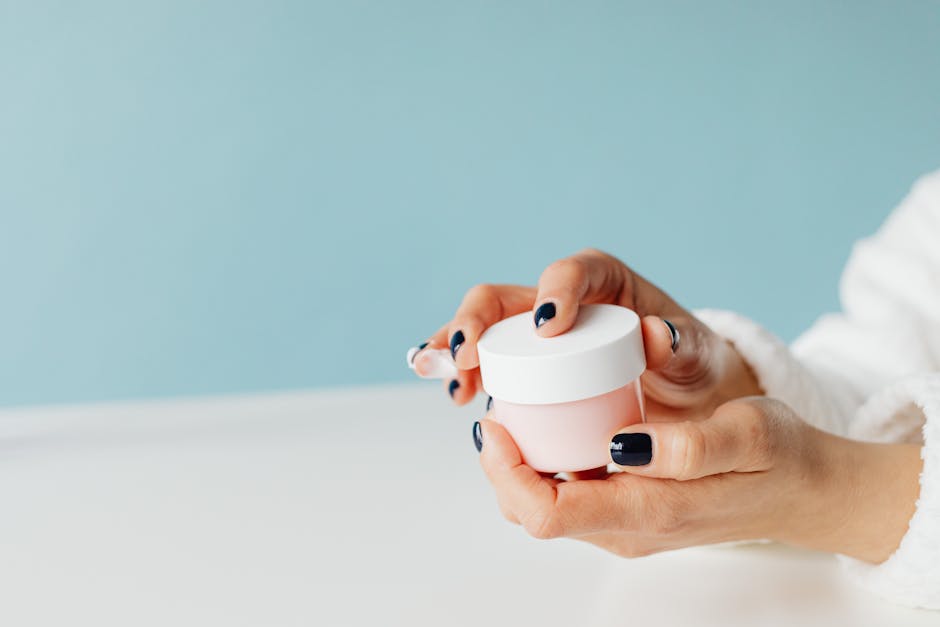
You’ve got the right product, but are you using it correctly? Probably not. A good moisturizer is only as good as its application. Avoid these common pitfalls to get the most out of your Japanese skincare investments. It’s not just about what you use, but how.
Over-Moisturizing is a Thing
- Too Much Product: You don’t need a golf ball-sized dollop. A pea-sized amount is usually enough for your entire face. Layering too much can clog pores, especially for oily skin. It also means you’re just wasting product.
- Too Rich for Your Skin: Using a heavy cream meant for very dry skin on combination or oily skin can lead to breakouts and a suffocated feeling. Match the richness to your skin’s actual needs, not what feels luxurious.
- Not Letting Layers Absorb: Slapping on moisturizer immediately after an essence or serum without letting it absorb can dilute products or prevent proper penetration. Give each layer a minute. Patience is key for absorption.
Ignoring SPF (Even with Moisturizer)
- Moisturizer with SPF is Not Enough: While convenient, moisturizers with SPF usually don’t offer sufficient protection unless you apply a very generous amount (which most people don’t). Treat them as a bonus, not your sole sun protection.
- Separate Sunscreen is Mandatory: Always follow your moisturizer with a dedicated, broad-spectrum sunscreen with at least SPF30. Sunscreen is your most important anti-aging step, period. Don’t rely on your moisturizer to do all the work.
Patch Testing: It’s Not Optional
- Always Test New Products: Before slathering a new moisturizer all over your face, apply a small amount to an inconspicuous area, like behind your ear or on your jawline, for a few days. Check for redness, irritation, or breakouts.
- Especially for Sensitive Skin: If you have reactive skin, this step is non-negotiable. Even “hypoallergenic” products can trigger a reaction. Don’t risk a full-face breakout just because you’re impatient.