
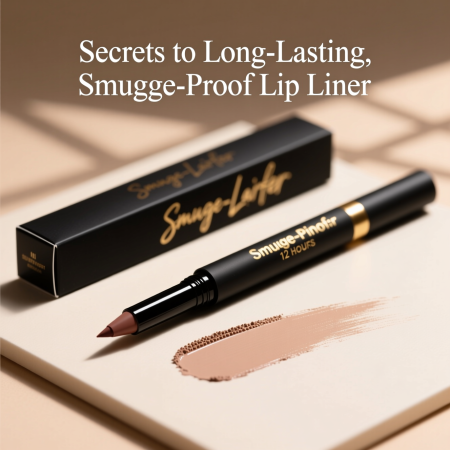
Secrets to Using Long-Lasting Lip Liners Without Feathering
Understanding Feathering and Why It Happens
Feathering happens when your lip liner or lipstick starts to spread or bleed outside your natural lip line, creating a blurry, smudged look. It’s different from bleeding, which usually refers to the product seeping further down into fine lines around your lips, making the color appear uneven or patchy. Feathering is that pesky migration that can ruin a perfect lip look quickly.
Several common causes lead to this frustrating issue:
- Fine lines around the lips: These tiny wrinkles act like little highways, letting the color escape.
- Dryness or flaky lips: Rough, dehydrated skin makes it harder for the lip liner to grip properly.
- Oily skin near the lips: Excess oil breaks down lip products faster, causing them to slide.
- Creamy or glossy formulas: While hydrating, they tend to feather more than matte or gel-based liners.
- Poor lip preparation: Skipping exfoliation or hydration leaves a patchy surface for the product.
As you age, lip texture changes too. Lip skin can become thinner and drier, which increases feathering risk. Hydration plays a vital role: well-moisturized lips help lock in products and prevent feathering. Understanding these factors sets you up for choosing the right long-wearing lip liner and mastering the best application to stop lipstick bleeding and maintain precise lip definition all day long.
Choosing the Right Long-Lasting Lip Liner
Picking a long-wearing lip liner that stays put without feathering starts with the right formula. Look for waterproof options, as these resist smudging in heat or humidity. Matte or gel formulas tend to hold better than creamy ones, thanks to their texture and higher pigmentation. Liners with a silicone or wax base create a strong barrier on the lips, helping prevent feathering and bleeding over time.
When deciding between colored and clear or invisible liners, colored liners work best for defining and filling in the lips, especially if you want a bold look or a precise lip shape. Clear lip liners are great as an invisible barrier around the lip edges to stop lipstick from feathering without altering the shade, perfect for gloss or sheer finishes.
Shade matching is key: choose a liner close to your lipstick color or slightly darker to add depth and definition. Consider the liner type too—pencil liners provide precision and control, liquid liners offer intense pigmentation and longer wear, while retractable liners are fuss-free and less prone to breakage.
Don’t forget to tailor your choice to your lip concerns:
- For dry lips, pick creamy but long-lasting formulas that won’t cling to flakes.
- If you have mature lips, go for smoothing liners with hydrating ingredients to avoid emphasizing fine lines.
- For full lips, mattes and gels work well to keep color in place and maintain sharp definition.
Essential Lip Preparation for Maximum Longevity
Preparing your lips well before applying a long-lasting lip liner is crucial to prevent feathering and ensure all-day wear. Start by gently exfoliating your lips to remove any dead skin that could cause uneven application or patchiness. Use a mild lip scrub or a soft toothbrush—just enough to smooth the surface without irritation.
Next, hydrate your lips, but avoid overdoing it. Applying too much balm can create excess moisture, which makes liners slide and feather. Choose a lightweight, non-greasy lip balm and apply a thin layer. After a minute or two, gently blot off any leftover product with a tissue to create the perfect smooth but not slippery base. For trusted balm options that hydrate without heaviness, you can explore some of the best UK lip balms designed for lasting comfort.
Finally, consider using a lip primer or a clear base designed specifically for longevity and adhesion. This helps the liner grip better to your lips, making lines sharper and colors stay put. Priming also works as an invisible shield against feathering.
By following these lip prep steps—exfoliating, lightly hydrating, and priming—you set the stage for any waterproof or matte lip liner to perform at its best and stop lipstick bleeding throughout the day.
Step-by-Step Application Techniques to Prevent Feathering
Preventing lipstick feathering starts with a sharp, precise lip liner tip. Always sharpen your long-lasting lip liner before use for clean, defined lines. Begin by carefully outlining your natural lip line. If you want fuller lips, try slight overlining—but keep it subtle to avoid an unnatural look.
Next, fill in the entire lip with your liner. This creates a solid base, helps lipstick cling better, and boosts wear time. For extra protection against feathering, apply a clear lip liner just outside the edges. This invisible barrier is a great no-bleed lip pencil trick to stop color from bleeding into fine lines.
When layering lipstick over the liner, apply thin coats and blot gently between layers. Blotting reduces excess product and prevents feathering. To set everything in place, lightly dust translucent powder over a tissue on your lips—this powder setting technique locks color without drying out your lips.
For pros, try reverse lining: apply lipstick first, then trace around your lips with liner to clean the edges. Another hack is using a lip primer for longevity, applied before any liner or color, to smooth lips and give formulas something to grip onto.
Following these steps ensures precise lip definition with no feathering, making your lip color last all day. For an easy way to add a soft powder finish, check out the Beautiful Jane Iredale powder that works beautifully with lip makeup.
Advanced Tips and Hacks for All-Day Wear
To keep your long-lasting lip liner looking fresh all day, it’s important to balance the liner with your lipstick type. Pair waterproof, matte lip liners with matte lipsticks for the best no-bleed lip pencil combo — this combo resists feathering and stays put through meals and drinks. If you prefer a glossy finish, use a clear lip liner around the edges as an invisible barrier to prevent feathering without dulling the shine.
For touch-ups during the day, always carry your lip liner pencil and a lipstick or lip balm to refresh color without over-applying. Lightly blot before reapplying to avoid buildup and unwanted feathering. If you catch a smudge, a small makeup brush or cotton swab dipped in micellar water can easily clean the edges without disturbing the rest of your look.
Common mistakes like over-application or using mismatched liner and lipstick shades can cause feathering or harsh lines. Fix these by blending the edges with a lip brush or by layering a thin layer of translucent powder over the liner before applying lipstick to set color and smooth transitions.
For bold lip colors, make sure your liner matches perfectly or is a shade darker to keep the color contained. Natural looks benefit from soft, neutral liners that enhance shape without obvious contrast. If you have mature skin, opt for creamy, hydrating liners and avoid overly dry formulas that settle into fine lines. Pair these with gentle lip priming and exfoliation techniques for smoother, long-lasting wear.
For additional help with keeping your lips hydrated and smooth, consider exploring effective skincare products designed for beauty longevity, which can improve overall lip texture and prep.
By combining these anti-feathering techniques, you’ll enjoy precise lip definition and long-wearing lip liner results that stay flawless from morning to night.
Troubleshooting Common Issues with Lip Liner Feathering
Even with the best long-lasting lip liners, feathering can sometimes happen. If you notice your liner still slipping outside the lip line, here’s what to do:
- Reassess Your Lip Prep: Dry or flaky lips cause feathering. Regularly exfoliate and hydrate, but avoid over-moisturizing right before application, which can break down the liner’s hold.
- Adjust for Weather: Heat and humidity can soften lip products and cause feathering. In such conditions, opt for a waterproof lip liner with a matte or gel formula to help prevent bleeding.
- Add Barriers: Using a clear lip liner as an invisible shield outside your lip line can physically block feathering. Alternatively, a lip primer designed for longevity creates a smooth base that grips your liner better.
- Switch Formulas if Needed: If your creamy liner bleeds despite prep, try a wax or silicone-based pencil which tends to stay put longer. Retractable or liquid liners often offer better precise lip definition and less feathering.
- Layer Wisely: Fill in your lips with liner fully before adding lipstick and blot in between layers to set the color. This stops feathering and helps achieve all-day wear.
- Carry Touch-Up Essentials: Carrying a small brush and concealer can fix any feathering mid-day for a crisp look without redoing your entire lip.
If you want products that really stick around without bleeding, explore trusted brand solutions for skin and lip care that enhance makeup longevity.
By troubleshooting with these tips, you’ll stop lipstick feathering faster and enjoy flawless lips all day, no matter your environment.