Hairdressing Tools and Their Uses: What Actually Works
You bought a $200 curling wand because a YouTuber swore by it. Now it sits in your drawer, collecting dust, because your hair falls flat in 20 minutes. Sound familiar?
Here’s the problem: most women buy hairdressing tools based on hype, not on what their hair actually needs. The result? Wasted money, damaged strands, and frustration.
This guide cuts through the noise. I’m telling you exactly which tools do what, which features actually matter, and which brands are worth your cash. No fluff.
Why Most Hair Tools Fail (And What to Look For Instead)
Walk into any drugstore or beauty supply shop. You’ll see rows of tools promising “salon results” for $29.99. Most of them are garbage.
The fundamental problem is heat control. Cheap tools use basic ceramic or metal plates that spike in temperature. They hit 450°F even when you set them to 350°F. That’s how you get fried, brittle ends.
What actually matters? Three things:
- Consistent temperature regulation — Look for tools with microchip-controlled heating. The GHD Platinum+ flat iron ($249) uses predictive technology that keeps the plates at exactly 365°F. No fluctuations. No hot spots.
- Material quality — Tourmaline ceramic or titanium for heat tools. Tourmaline emits negative ions that reduce frizz. Titanium heats up faster and works better on thick, coarse hair.
- Ergonomics — If your hand cramps after 5 minutes of blow-drying, the tool is poorly designed. Look for swivel cords, lightweight builds (under 1 lb for dryers), and comfortable grips.
The BaBylissPRO Nano Titanium curling iron ($80-$120) is a solid middle-ground option. Titanium barrel, adjustable heat up to 430°F, and it holds curl for hours on thick hair. Not as fancy as Dyson, but it works.
Verdict: Never buy a heat tool without adjustable temperature settings and some form of even-heat technology. If it doesn’t list the plate material, skip it.
Hair Dryers: The One Tool You Shouldn’t Skimp On
Here’s a hard truth: your $30 hair dryer is damaging your hair. Most budget dryers use a basic AC motor that produces uneven heat and low airflow. You end up holding it close to your scalp, which causes heat damage.
A good hair dryer does two things: it moves air fast and keeps temperature low. The Dyson Supersonic ($429) is the gold standard here. Its digital motor spins at 110,000 RPM, producing high-velocity airflow without extreme heat. It measures air temperature 40 times per second to prevent heat damage.
But you don’t need to spend $429. The Hot Tools Pro Signature Ionic dryer ($60-$80) delivers 1875 watts of power, ionic technology to reduce frizz, and a concentrator nozzle for precise styling. It’s the best budget option I’ve tested.
What to look for in any hair dryer:
- At least 1800 watts (more power = faster drying = less heat exposure)
- Ionic or tourmaline technology (reduces static and frizz)
- Multiple heat and speed settings (low, medium, high for both)
- Lightweight — under 1.5 lbs ideally
Common mistake: Using the highest heat setting every time. Start on medium heat, then finish with a cool shot to seal the cuticle. That adds shine and reduces frizz.
For fine or damaged hair: The T3 Cura Luxe dryer ($199) has a “auto-pause” sensor that reduces heat when you set the dryer down. It also has a scalp-specific setting that keeps heat lower near the roots. Worth considering if you have color-treated or thin hair.
Curling Irons and Wands: Which Shape for Which Hair
This is where most people get it wrong. They buy a 1-inch curling iron because that’s what the salon uses. But your hair texture and length determine the right barrel size.
Here’s a simple breakdown:
| Barrel Size | Best For | Example Tool |
|---|---|---|
| 3/4 inch (19mm) | Short hair (chin-length or shorter), tight curls, fine hair that needs grip | Hot Tools Professional 3/4″ Curling Iron ($45) |
| 1 inch (25mm) | Medium-length hair, loose curls, most versatile size | GHD Curve Classic Curling Iron ($199) |
| 1.25-1.5 inches (32-38mm) | Long hair (past shoulders), beach waves, loose, voluminous curls | T3 Whirl Trio Interchangeable Styling Wand ($150) |
Mistake #1: Using a clamp-style iron on fine hair. The clamp leaves a dent. Use a wand (no clamp) instead. The BaBylissPRO Curling Wand ($90) has a tapered barrel from 1 to 1.5 inches, so you get varied curl sizes in one tool.
Mistake #2: Not using a heat protectant. Yes, it’s obvious. But I see women skip it constantly. Olaplex No. 7 Bonding Oil ($28) doubles as a heat protectant up to 450°F and adds shine. Use it.
Verdict for thick, hard-to-curl hair: The Hot Tools Professional Black Gold curling iron ($60) heats up to 430°F and uses black gold-plated barrels that hold heat longer. It’s a workhorse for coarse hair types.
Flat Irons: Ceramic vs. Titanium — Pick the Right One
Flat irons are not one-size-fits-all. The plate material changes everything.
Ceramic plates (like the GHD Platinum+ at $249) heat evenly and are gentler on hair. They’re ideal for fine, damaged, or color-treated hair. The downside? They take longer to heat up and don’t work as well on very thick or curly hair.
Titanium plates (like the BabylissPRO Nano Titanium at $120) heat up in 15 seconds and glide through thick, coarse, or curly hair effortlessly. They get hotter — up to 450°F — which is necessary for stubborn textures. But they can damage fine hair if you’re not careful.
For curly girls: If you’re straightening natural curls, titanium is your friend. The HSI Professional Glider ($89) has 1-inch floating titanium plates, adjustable heat up to 450°F, and an auto-shutoff. It’s a top-rated option on a budget.
For fine hair: Stick with ceramic. The CHI G2 Ceramic & Tourmaline flat iron ($100) has a lower heat range (140°F-380°F) and tourmaline infusion for extra shine. Your hair won’t fry.
Width matters too. A 1-inch plate is the standard for most lengths. Go 1.5 inches if you have long, thick hair and want to finish faster. Go 0.5 inches if you have short hair or want to create bends and waves.
Common failure mode: Using a flat iron on damp hair. Even with “wet-to-dry” claims, you’re boiling water inside the hair shaft. That causes bubble damage. Always blow-dry completely first.
Scissors and Clippers: The Tools You’re Probably Using Wrong
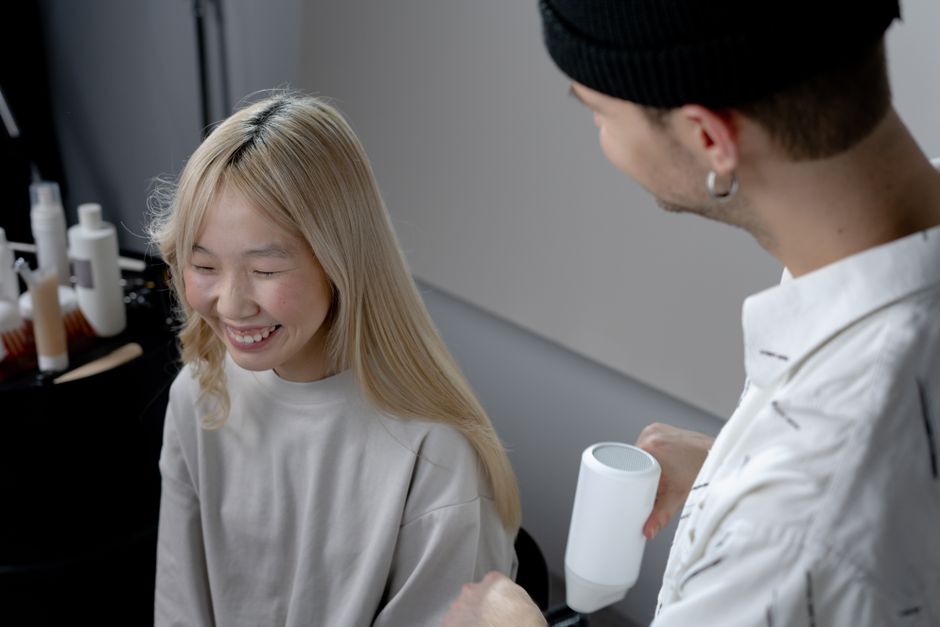
Most women don’t think about cutting tools until they try a DIY trim. Then they grab kitchen scissors. Disaster follows.
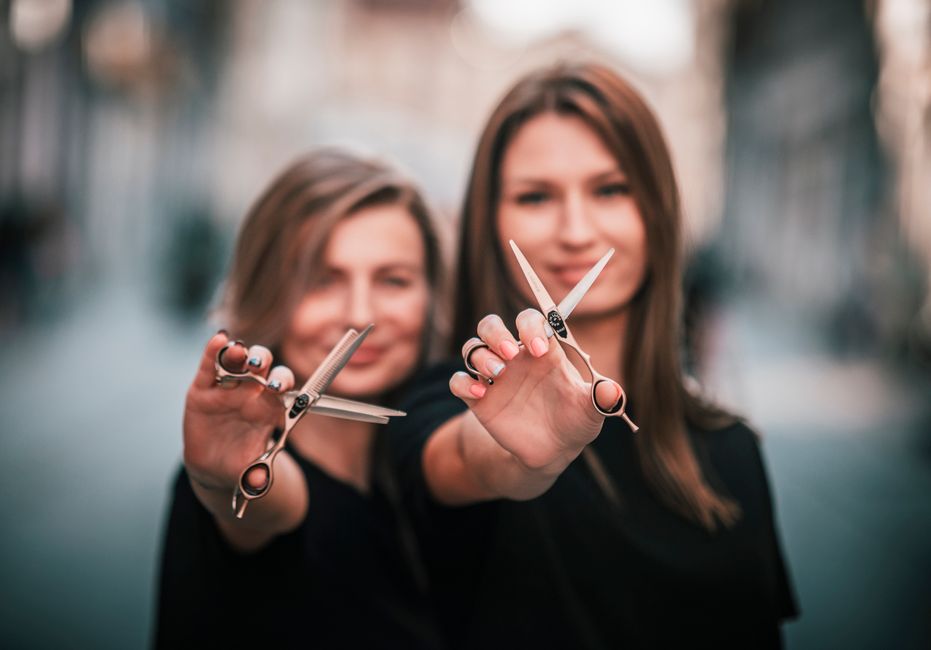
Hair scissors are not regular scissors. They have a different blade angle — typically 45 degrees — that creates a clean cut without fraying the ends. A pair of Utopia Care Professional Hair Shears ($12-$15) will save your at-home trims. They’re sharp, stainless steel, and have an adjustable tension screw. For $12, there’s no excuse.
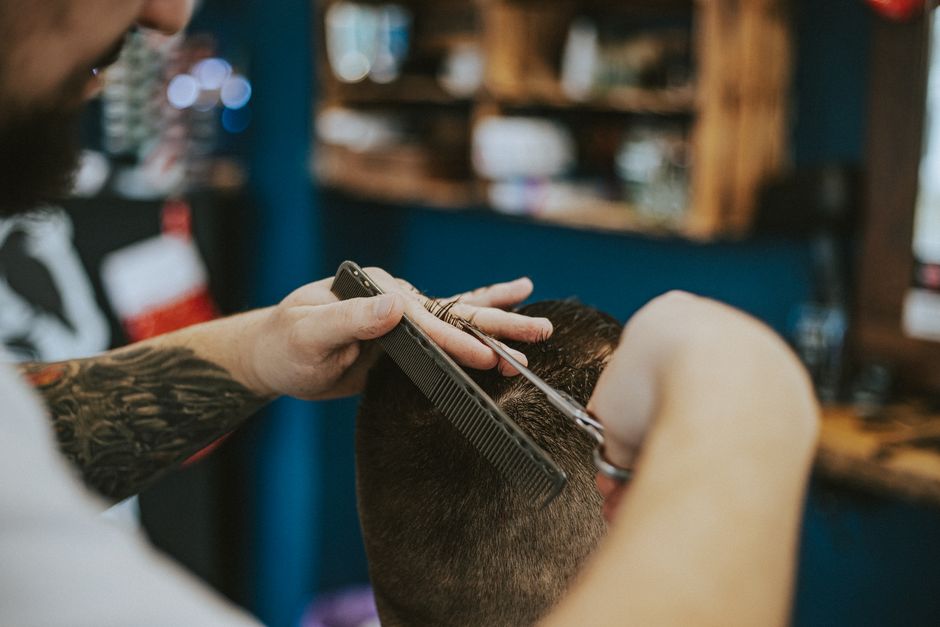
For clippers: If you’re maintaining a bob or pixie cut at home, the Wahl Color Pro Cordless Clipper ($40-$50) is the standard. It has color-coded guide combs (no guessing which size is which), a self-sharpening blade, and runs for 60 minutes on a charge. The key is using the right guard length — start longer than you think, because you can always go shorter.
Mistake to avoid: Cutting hair when it’s wet and expecting the same length when it dries. Wet hair shrinks as it dries — sometimes by up to 30%. Always cut dry hair for precision, or account for shrinkage if cutting wet.
When NOT to buy: If you have thick, layered hair or bangs you’re particular about, don’t DIY. A professional cut costs $40-$80. Fixing a bad at-home cut costs more in time and frustration. Know your limits.
Final thought on hairdressing tools: The industry is moving toward smarter tools — ones that sense hair type and adjust heat automatically. The Dyson Airwrap ($599) already does this with its Coanda airflow. Expect more brands to follow. For now, invest in the basics that match your hair texture and length. That’s where you’ll see the biggest return.