Beauty of Joseon Skincare Routine: What Works and What to Skip
The Relief Sun SPF50+ PA++++ reportedly crossed 10 million units sold faster than almost any other sunscreen in K-beauty history. That number is what pulled me into building a full routine around Beauty of Joseon back in 2026, armed with a list of every product they made and a plan to try them all. Three years and many empty bottles later, my verdict is clear: some of this line is genuinely exceptional. Some of it is redundant. And layering everything together without a strategy is a reliable way to irritate your skin barrier and spend $80 on products that cancel each other out.
Here is what actually works — and what you can confidently skip.
The Full Beauty of Joseon Line, Ranked
Most round-ups list every product and call it balanced. I will skip the neutrality. Below is a direct side-by-side of the core line so you know where to start, where to stop, and where your money does real work.
| Product | Key Ingredients | Best Skin Type | Approx. Price | Verdict |
|---|---|---|---|---|
| Relief Sun SPF50+ PA++++ | Rice extract, probiotics | All types | $12–15 | Buy immediately |
| Glow Serum (Propolis + Niacinamide) | Propolis, 2% niacinamide | Dull, uneven | $15–17 | Strong buy |
| Dynasty Cream | Rice, ginseng, hyaluronic acid | Dry to combo | $18–20 | Worth it |
| Calming Serum (Green Tea + Panthenol) | CICA, panthenol, green tea | Sensitive, reactive | $14–16 | Best for beginners |
| Repair Serum (Heartleaf + Bakuchiol) | Bakuchiol, heartleaf extract | Aging, acne-prone | $17–19 | Underrated pick |
| Radiance Cleansing Balm | Rice bran oil, vitamin E | Makeup wearers | $16–18 | Good, not unique |
| Revive Eye Serum (Ginseng + Retinal) | Ginseng, retinal | Fine lines, puffiness | $16–18 | Skip — better options exist |
| Matte Sun Stick SPF50+ PA++++ | Squalane, SPF filters | Oily, combo | $11–13 | Situational use only |
The three I would tell any new buyer to start with: the Relief Sun, the Calming Serum, and the Dynasty Cream. That is a complete basic routine for under $50 — cleanser aside — and it covers treat, hydrate, and protect without overlap.
Why the Relief Sun is the non-negotiable anchor
No other product in the Beauty of Joseon line has this level of cross-demographic consensus. Dermatologists and estheticians consistently recommend it because the cosmetic elegance is real: no white cast on medium and deeper skin tones, no pilling under foundation, no greasy midday residue. The formula uses a rice-fermented extract base with a hybrid UV filter system. It sits well under makeup and does not interfere with other actives. If you buy nothing else from this brand, buy this. Full stop.
The Glow Serum vs. Calming Serum decision
These two serums confuse people because they sound complementary. They are not — they target different concerns. The Glow Serum (propolis and 2% niacinamide) is warm-toned, slightly tacky, and best for brightening dull skin and reducing the appearance of pores over time. The Calming Serum (green tea, CICA, panthenol) is thinner, cooling, and designed specifically for reactive or sensitized skin. Pick one based on your main concern. Using both in the same routine adds unnecessary layers and almost always causes pilling between steps.
How to Layer Beauty of Joseon Products Correctly
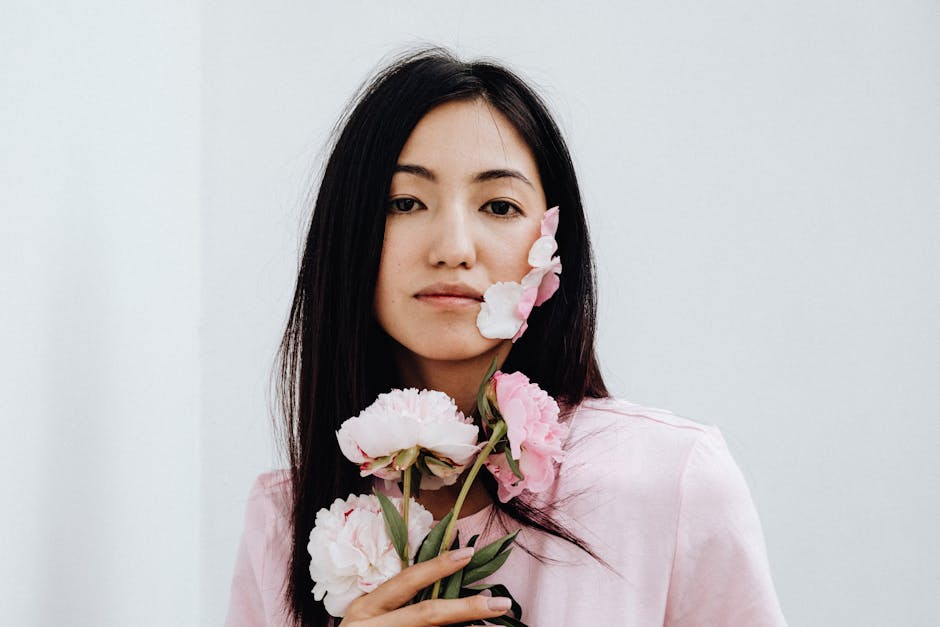
Layering order genuinely changes how these products perform. Here is the exact sequence I follow.
Morning routine:
- Cleanse — Beauty of Joseon does not make a good standalone morning cleanser. Their Radiance Cleansing Balm is an oil-based double-cleanse product for removing SPF and makeup, not a morning rinse. Use a gentle low-pH cleanser from another brand. The Cerave Hydrating Cleanser (around $14) is reliable and does not interfere with anything applied after.
- Calming Serum or Glow Serum — not both. Apply to slightly damp skin, pat in gently, wait 30 to 45 seconds before the next step.
- Dynasty Cream — a pea-sized amount covers the full face. It is richer than the texture suggests. Oily skin types can skip this in summer and go straight to SPF without feeling stripped.
- Relief Sun SPF50+ PA++++ — always last in the morning sequence. Two finger-lengths of product for full face coverage is the standard guidance. This step is not optional regardless of how many steps precede it.
Evening routine:
- Radiance Cleansing Balm — massage onto dry skin, emulsify with water, rinse completely. It removes SPF and makeup effectively without stripping.
- Second cleanse — follow with a water-based cleanser to clear any remaining residue.
- Repair Serum (Heartleaf + Bakuchiol) — the better night pick if you are working on early signs of aging or post-acne marks. Bakuchiol mimics retinol’s cell-turnover effects with significantly less irritation risk, making it a practical option for those who cannot tolerate prescription retinoids.
- Dynasty Cream — a slightly more generous application is fine at night. Skin absorbs more while you sleep.
The one layering rule that changes everything
Thinnest to thickest, always. The Dynasty Cream goes on after serums, never before. If you apply a thick cream first and try to layer a serum over it, the serum cannot penetrate the occlusive layer and just sits on the surface doing nothing. This is the most common routine mistake I see, and it is completely fixable by changing one step.
Should you add a toner or essence?
The Beauty of Joseon Ginseng Essence Water is the brand’s closest equivalent to a hydrating toner — lightweight, fast-absorbing, and effective at helping the skin take in serums more efficiently. I use it three times a week rather than daily. Not essential, but worth adding if your skin feels tight or dehydrated between steps. Apply it right after cleansing, before any serum.
Two Products Worth Skipping
The Revive Eye Serum (ginseng + retinal) is not a bad product. But at $16–18, the retinal concentration is low enough that visible results on deep lines or persistent dark circles are minimal. For that money, the COSRX Retinol 0.1 Cream or a dedicated peptide eye treatment will outperform it. This serum works as a very gentle introduction to retinal, but that safety also caps its ceiling.
The Matte Sun Stick SPF50+ PA++++ is fine as a midday reapplication layer on top of makeup when you are outdoors. As your primary morning SPF, it does not match the Relief Sun’s ease of application or coverage consistency. Most people who buy the stick return to the liquid formula within a month. Skip it unless reapplication portability is your specific need.
Where K-Beauty Routines Actually Go Wrong
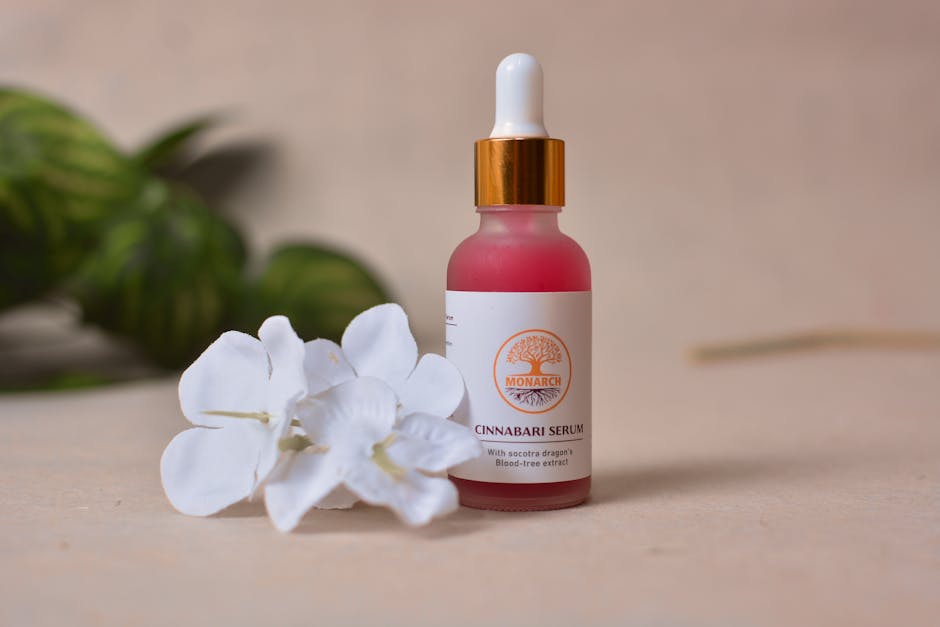
The most common routine failures are not product failures. They are philosophy failures — and understanding them changes how you shop and how you build.
K-beauty is structured around hydration and barrier function as the foundation, with targeted treatment layered on top afterward. That is the inverse of many Western approaches, where exfoliants and retinoids lead and moisture follows. Neither model is universally correct, but the gentler K-beauty foundation is why brands like Beauty of Joseon perform particularly well for sensitive and combination skin types.
The stacking problem that derails most routines
Niacinamide, retinol, AHAs, vitamin C, and exfoliating acids are all routinely recommended together in online glass-skin routines. Used together without thoughtful spacing, they cause irritation, barrier disruption, and sometimes a sustained purge that people incorrectly blame on individual products being the wrong fit.
Within the Beauty of Joseon line alone, this risk is low — the brand is formulated gently. But if you are layering it alongside Paula’s Choice BHA, a high-percentage vitamin C serum from a different brand, or a prescription retinoid, the stacking math gets complicated fast. Keep actives from different brands on separate days or at separate times until you know how your skin responds to each combination.
Patch testing is not optional with fermented ingredients. Beauty of Joseon uses propolis, ginseng extract, and concentrated botanicals that are generally low-irritant — but individual reactions do occur. Apply a small amount to your inner arm for 48 hours before full-face use. This is especially relevant for the Repair Serum if bakuchiol is new to your routine.
Why consistency outperforms product count every time
A three-step routine used every single day produces better, more measurable results than a ten-step routine used twice a week. This sounds obvious. It is not how most people actually behave when they get excited about a new brand. The minimum effective setup with Beauty of Joseon: cleanser, one serum, Relief Sun in the morning, Dynasty Cream at night. Four products. That is a complete routine.
Results from traditional ingredient-focused formulations — fermented rice, ginseng, panthenol, bakuchiol — typically appear between 4 and 8 weeks of consistent use. Not 4 to 8 days. The expectation that K-beauty produces overnight results is how people conclude that gentle, well-formulated products do not work and switch to something harsher that disrupts their barrier instead. Give the routine time before making judgment calls.
Common Questions About Building a Beauty of Joseon Routine
Can I use the Relief Sun as my only moisturizer?
Oily-to-combination skin types can usually get away with it in warm weather. The Relief Sun contains rice extract and mild humectants, but it is primarily a UV protectant, not a moisturizer. Dry skin types will feel tight by midday without something underneath. Layer the Dynasty Cream under the SPF if you tend toward dryness, regardless of season.
Is Beauty of Joseon suitable for acne-prone skin?
Mostly yes. The Calming Serum and Repair Serum both contain anti-inflammatory botanicals that pair well with acne management. The Dynasty Cream is richer — patch test it first if you are prone to fungal acne or consistently congested pores. The product to handle most carefully is the Radiance Cleansing Balm: it needs to be fully emulsified and thoroughly rinsed, because residual oil left on acne-prone skin can contribute to breakouts. Rinse longer than you think you need to.
How many products from this line do I actually need at once?
Three to four maximum, at any given time. The brand is designed to be modular — each product works as a standalone and does not require you to purchase the full system for results. Start with the Relief Sun and one serum. Add the Dynasty Cream if your skin needs more hydration. Most people who end up buying seven or eight products from this brand are unknowingly running duplicates: two serums addressing the same concern, or a moisturizer and essence that overlap significantly in function.
How does Beauty of Joseon compare to other K-beauty brands at the same price?
For affordable, traditional-ingredient formulations, it sits closest to Innisfree and the entry-level Sulwhasoo range — but undercuts both on price by a meaningful margin. COSRX wins if acne is your primary concern. MISSHA Time Revolution is more aggressive on brightening results. Beauty of Joseon occupies a specific lane: gentle Korean botanicals, traditional fermented ingredients, well-formulated, accessible pricing. That lane is real and serves a real audience, which is why the brand has grown as fast as it has.
Three years ago I bought the Relief Sun skeptically, because numbers like 10 million units sold usually signal marketing over actual performance. It earned every one of those sales. The routine built around it — three or four products, layered in the right order, used consistently — is one of the most cost-effective approaches to K-beauty without chasing the next trending serum every month. Start small. Give it eight weeks. The results show up.