Best Acne Treatment Gel CVS Options for Effective Skin Clearance 2026
You are standing in the aisle at CVS, the fluorescent lights humming overhead, staring at a wall of blue, white, and orange boxes. It is 9:00 PM on a Tuesday, and a cystic bump has just decided to make its debut on your chin right before a significant presentation. The sheer volume of choices is paralyzing. Do you go for the name brand you recognize from commercials, or the CVS Health generic that promises the same results for five dollars less? This scenario is the starting point for most people seeking an acne treatment gel at CVS, yet the decision-making process is rarely as simple as grabbing the prettiest box. To choose correctly, we must look past the marketing and into the molecular stability and delivery systems of these topical interventions.
What is the most effective acne treatment gel at CVS for stubborn breakouts?
When we talk about efficacy in the over-the-counter (OTC) world, the conversation begins and ends with Adapalene. Originally a prescription-only retinoid, Adapalene 0.1% was cleared for OTC sale in 2026, fundamentally changing the landscape of what you can buy at a local pharmacy. Unlike older treatments that simply dry out the surface of a pimple, Adapalene works at the cellular level. It regulates skin cell turnover to prevent pores from clogging in the first place and acts as a potent anti-inflammatory agent. For anyone dealing with chronic comedonal acne—those stubborn blackheads and whiteheads—this is the gold standard.
Differin Adapalene Gel 0.1%
Differin remains the most recognizable name in this category. At CVS, a 15g tube typically retails for approximately $15.99 to $18.99, while the 45g value size can go up to $35.00. The primary advantage of Differin is its proven track record and its specific aqueous gel formulation, which is designed to be less greasy than traditional creams. Pro: It is the most researched OTC retinoid for acne. Con: It often causes a “purging” period where acne temporarily worsens before it improves, which can last up to four weeks.
La Roche-Posay Effaclar Adapalene Gel
For those who prefer a brand backed by dermatological heritage, La Roche-Posay offers an identical 0.1% Adapalene concentration. It usually sits at a higher price point, often around $30.00 for a 1.6 oz tube. While the active ingredient is the same as Differin, some users find the vehicle—the inactive ingredients that make up the gel—to be slightly more elegant and less prone to pilling under makeup. Pro: High-quality formulation that integrates well with other skincare. Con: Significantly higher price for the same active ingredient concentration found in cheaper alternatives.
How does CVS Health brand acne gel compare to name-brand Differin or La Roche-Posay?
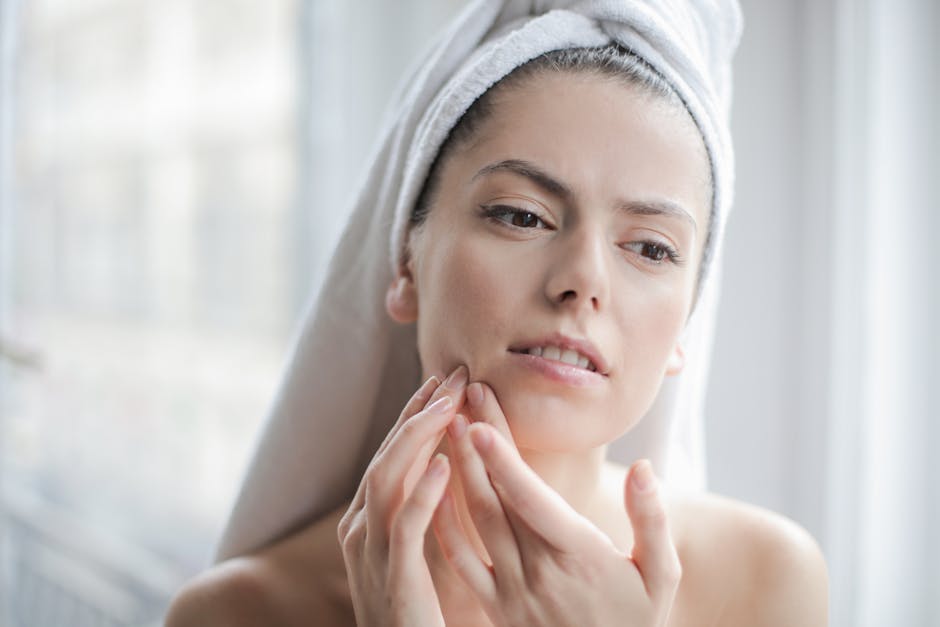
The rise of store-brand generics has led many to wonder if the CVS Health Adapalene Gel 0.1% is truly a 1:1 substitute for Differin. From a regulatory standpoint, the answer is yes. The FDA requires generic topical drugs to contain the same active ingredient in the same concentration as the brand-name version. However, the “inactive” ingredients can vary. These include preservatives, thickeners, and pH adjusters. In my research, the CVS Health version uses a very similar carbomer-based gel structure, which means the skin feel and absorption rate are nearly indistinguishable for the average user.
The price discrepancy is the most compelling factor here. The CVS Health Adapalene Gel often retails for $12.00 to $14.00, frequently falling under “Buy 1, Get 1 50% Off” promotions or being eligible for ExtraCare rewards. If you are on a long-term treatment plan—which Adapalene requires—the cost savings over six months can be substantial. Below is a breakdown of how these three primary Adapalene options at CVS stack up against each other.
| Product Name | Active Ingredient | Approx. Price | Best For |
|---|---|---|---|
| Differin Gel | Adapalene 0.1% | $17.49 (15g) | Reliability and brand trust |
| CVS Health Adapalene | Adapalene 0.1% | $13.99 (15g) | Budget-conscious long-term use |
| La Roche-Posay Effaclar | Adapalene 0.1% | $30.99 (45g) | Users with sensitive skin who prefer LRP vehicles |
While the active molecules are identical, the choice often comes down to the loyalty program. If you have CVS ExtraBucks, the store brand becomes an unbeatable value. However, if you have sensitive skin that reacts to specific preservatives, you might find that the name-brand Differin uses a slightly more refined stabilization system that causes less stinging upon application. It is a marginal difference, but one that dedicated skincare enthusiasts often note in comparative testing.
What ingredients should you look for in a CVS acne gel based on your skin type?
Not all acne is created equal, and therefore, not every gel at CVS will work for your specific flare-up. If you are dealing with inflammatory acne—the red, painful, pus-filled bumps—you need an ingredient that targets bacteria. Benzoyl Peroxide (BP) is the heavy hitter here. It works by introducing oxygen into the pore, which kills the anaerobic C. acnes bacteria. Unlike antibiotics, bacteria cannot develop a resistance to Benzoyl Peroxide, making it a sustainable long-term option for many.
Benzoyl Peroxide Options: PanOxyl vs. CVS Health
CVS carries PanOxyl, which is famous for its high-strength 10% foaming wash, but they also stock 10% and 4% spot treatment gels. The 10% concentration is powerful but can be incredibly drying and may bleach your pillowcases or towels. The CVS Health Maximum Strength Acne Treatment Gel (10% BP) is a direct competitor, priced around $6.00. Pro: Kills bacteria almost instantly. Con: Can cause redness, peeling, and permanent staining of fabrics.
Salicylic Acid for Oily Skin and Clogged Pores
If your skin is oily and prone to blackheads rather than deep cysts, Salicylic Acid (a Beta Hydroxy Acid or BHA) is your best bet. It is oil-soluble, meaning it can dive deep into the sebum-filled pore to dissolve the “glue” holding dead skin cells together. Clean & Clear Advantage Acne Spot Treatment is a staple at CVS, typically containing 2% Salicylic Acid. It is a clear gel that dries quickly, making it ideal for daytime use under makeup. Pro: Excellent for exfoliating the pore lining. Con: Less effective for deep, hormonal, or cystic acne compared to Adapalene.
Choosing between these requires an honest assessment of your skin’s resilience. If you have dry skin, a 10% Benzoyl Peroxide gel will likely leave you with a chemical burn. In that case, looking for a 2.5% concentration or a Salicylic Acid formula with added soothing ingredients like witch hazel or aloe—often found in the “Natural” or “Clean” sections of the CVS skincare aisle—is the more prudent path.
How to use CVS acne treatment gels safely to avoid purging and irritation?

The most common reason people claim an acne gel “didn’t work” is not a failure of the chemistry, but a failure of the application method. This is particularly true for Adapalene and Benzoyl Peroxide. These are not “more is better” products. Applying a thick layer of Adapalene will not clear your skin faster; it will only compromise your moisture barrier, leading to dermatitis and more breakouts. To use these products effectively, one must adopt a strategic approach to application that prioritizes the skin’s health.
The “Sandwich Method” for Retinoids
If you are starting the CVS Health Adapalene Gel, I strongly recommend the sandwich method. This involves applying a thin layer of moisturizer, followed by a pea-sized amount of the acne gel, and then another layer of moisturizer. This buffering technique slows down the penetration of the active ingredient, significantly reducing the risk of peeling and irritation without neutralizing the efficacy of the retinoid. It is a marathon, not a sprint; you should only apply the gel every third night for the first two weeks, gradually increasing frequency as your skin builds tolerance.
- Cleanse your face with a gentle, non-medicated cleanser (like CeraVe or Cetaphil, also available at CVS).
- Wait for your skin to dry completely. Applying treatment gels to damp skin can increase absorption to an irritating level.
- Apply a pea-sized amount of the gel to the entire face, not just the spots. Adapalene is a preventative treatment.
- Follow up with a broad-spectrum SPF 30+ in the morning. Many acne treatments increase photosensitivity.
Retinoids and Benzoyl Peroxide can make your skin significantly more vulnerable to UV damage. If you are investing in an acne treatment gel at CVS, you must also invest in a quality sunscreen, or you risk replacing your acne with long-term hyperpigmentation and sun damage.
Furthermore, do not mix multiple active gels in the same routine. Using a Salicylic Acid gel in the morning and Adapalene at night might be okay for some, but using them simultaneously is a recipe for disaster. The goal is to manage inflammation, not create more of it. If you experience intense stinging that lasts more than a few minutes, wash the product off immediately and scale back your usage frequency.
Are CVS acne spot treatments worth it compared to prescription options?

There is a point of diminishing returns when it comes to over-the-counter treatments. While the Adapalene and Benzoyl Peroxide options at CVS are incredibly potent, they have limits. Prescription-strength retinoids like Tretinoin (Retin-A) or Tazorac are significantly more powerful and can address aging concerns alongside acne. However, the barrier to entry for prescriptions—dermatologist co-pays and insurance hurdles—makes the CVS aisle a necessary first stop for most people. For mild to moderate acne, the OTC gels are often more than sufficient, provided you are patient.
The cost-benefit analysis of CVS treatments is generally favorable. A tube of CVS Health Adapalene costs roughly $14 and lasts two to three months. Compare this to a prescription of Tretinoin, which can cost anywhere from $40 to $150 depending on insurance coverage. For many, the 0.1% Adapalene concentration found at CVS provides 80% of the results of a prescription for 20% of the cost. It is an efficient trade-off for those who do not have severe, scarring cystic acne.
When to stop the DIY approach
If you have used a CVS acne treatment gel consistently for twelve weeks and see no improvement, it is time to consult a professional. The “twelve-week rule” is essential because that is the timeframe required for the skin to complete multiple turnover cycles. If your acne is leaving deep, pitted scars (ice pick or boxcar scars), OTC gels will not be enough to prevent permanent skin texture changes. In those cases, the cost of a dermatologist visit is an investment in preventing much more expensive laser treatments down the line.
Ultimately, the CVS skincare aisle is a powerful resource if you know what you are looking for. By focusing on proven actives like Adapalene and Benzoyl Peroxide, and choosing the store-brand versions when the formulations are identical, you can build an effective acne-fighting regimen without the premium price tag. Just remember that the most expensive product in the world won’t work if it’s sitting on your shelf because it irritated your skin too much to use. Start slow, be consistent, and keep your moisture barrier intact.