Chafful Anti-Aging Serum Review: My Honest 2026 Take
Alright, let’s talk about anti-aging serums. I’ve been in this skincare game for over two decades, and if there’s one thing I’ve learned, it’s that most of what you hear is pure marketing fluff. Did you know the average consumer spends over $300 a year on anti-aging products, with a significant chunk going to serums that offer little more than basic hydration? It’s a shocking statistic when you consider how few ingredients are actually proven to make a long-term difference. I’m here to cut through that noise. I’ve tried everything from drugstore finds to luxury cult favorites, and I’m ready to share what I’ve learned about what truly works and what’s a waste of your hard-earned money.
The Harsh Truth About “Magic” Anti-Aging Formulas
Here’s my unpopular opinion: a lot of what’s sold as revolutionary anti-aging science is just fancy packaging and inflated claims. I’ve seen countless brands launch with a “breakthrough” ingredient only for it to vanish from the market a year later, replaced by the next big thing. My personal journey through the anti-aging labyrinth has been a series of expensive lessons. I used to fall for every new peptide complex or botanical extract that promised to erase years overnight. Guess what? My wallet got thinner, but my fine lines mostly stayed put.
My Personal Wake-Up Call with Overhyped Ingredients
I remember dropping nearly $150 on a serum once, convinced by its claims of rare Himalayan plant extracts and stem cell technology. For weeks, I dutifully applied it, expecting a miracle. What I got was a mild breakout and skin that felt… exactly the same. That was my wake-up call. I realized I was chasing marketing, not results. I started digging into the actual science, reading dermatological journals instead of beauty blogs. It changed everything.
What the Science Actually Says
The science is surprisingly clear on what works. We’re talking retinoids, vitamin C (L-Ascorbic Acid in particular), specific peptides, niacinamide, and hyaluronic acid. These aren’t exotic. They’re well-researched, have decades of data behind them, and are often found in far more affordable formulations. Anything else, while potentially beneficial for general skin health, isn’t going to be your primary anti-aging warrior. Don’t let a brand tell you otherwise.
Understanding Your Skin’s Anti-Aging Needs: Beyond the Hype

Before you even think about buying a serum, you need to understand your own skin. It’s not about what your favorite influencer uses; it’s about addressing your specific concerns. I’ve seen too many people stack retinoids on top of AHAs, then add a vitamin C serum, and wonder why their skin is irritated and red. You need a strategy, not a shopping spree.
Identifying Your Primary Concerns: Fine Lines vs. Sagging vs. Dullness
Are you seeing fine lines around your eyes and mouth? Or is it more about overall loss of firmness and sagging? Maybe your skin just looks perpetually tired and lacks radiance. Each of these concerns can be targeted with different ingredients. For fine lines and wrinkles, you’ll want to prioritize ingredients that stimulate collagen. For sagging, similar collagen boosters combined with barrier support are key. Dullness often responds well to ingredients that promote cell turnover and offer antioxidant protection.
Ingredient Spot Check: What Truly Works (and What Doesn’t)
Let’s get specific. Retinoids (retinol, retinaldehyde, tretinoin) are the undisputed champions for collagen stimulation and cell turnover. Vitamin C (specifically L-Ascorbic Acid at concentrations of 10-20%) is a potent antioxidant that brightens and protects. Peptides can signal skin to produce more collagen, though their efficacy compared to retinoids is often debated. Hyaluronic Acid provides hydration, plumping up the skin temporarily, which can minimize the appearance of fine lines. Niacinamide strengthens the skin barrier, reduces inflammation, and can improve tone. As for ingredients like colloidal gold, diamond dust, or obscure plant stem cells? Mostly marketing. They might feel luxurious, but don’t expect them to reverse significant signs of aging.
Building a Foundational Routine Before Serums
A serum isn’t a magic bullet. It’s a booster. If your foundation isn’t solid, a serum won’t do much. My non-negotiable routine, every single day, starts with a gentle cleanser, followed by a hydrating toner (if needed), then a good quality moisturizer, and finally, a broad-spectrum SPF 30+ sunscreen. Seriously, if you’re not using sunscreen daily, you’re essentially undoing any anti-aging efforts. Sun damage is the number one accelerator of skin aging. Get these basics right first, then think about adding a targeted serum.
Chafful Anti-Aging Serum: My Real-World Experience and What to Expect
Alright, let’s get down to the serum in question: the Chafful Anti-Aging Serum. I grabbed a bottle of this a few months back, curious about its claims, especially since it pops up quite a bit online. I committed to using it consistently for six weeks, integrating it into my evening routine after cleansing and before moisturizing. My skin type is combination, prone to dehydration, with some established fine lines around my eyes and forehead.
Initial Impressions and Application Notes
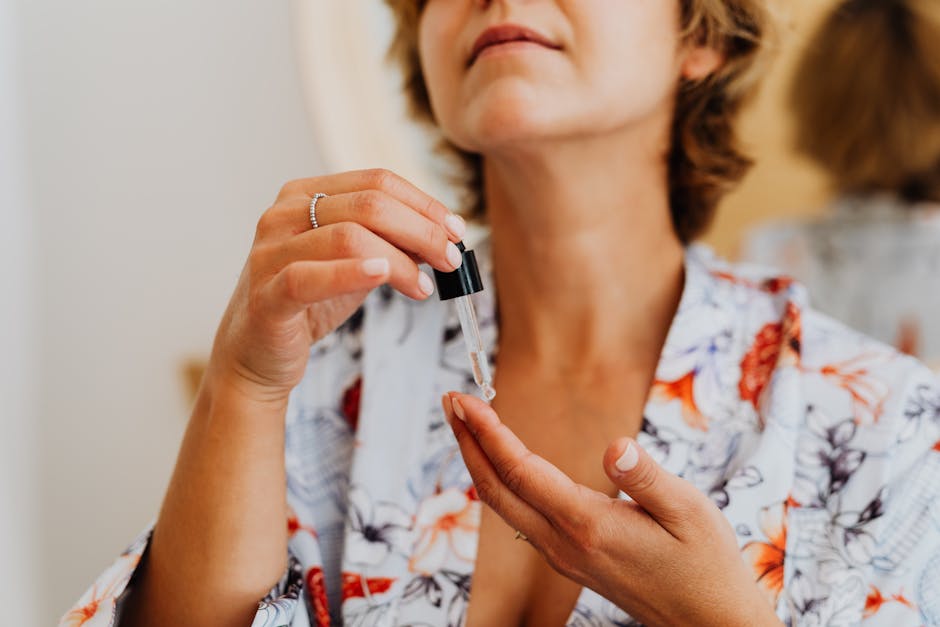
The Chafful serum comes in a fairly standard dropper bottle. The texture is lightweight, almost watery, with a slight slip to it. It absorbs quickly, which I appreciate; there’s nothing worse than a sticky serum that feels like it just sits on top of your skin. It has a very faint, almost imperceptible scent, which is a big plus for me as I’m sensitive to strong fragrances in skincare. I used about 3-4 drops for my entire face and neck. It layered well with my other products, no pilling or strange interactions with my moisturizer or SPF the next morning.
Six-Week Results: The Good, The Bad, The Meh
After six weeks, here’s my honest assessment. The good: My skin felt noticeably more hydrated and plump, especially in the mornings. This plumping effect did help to temporarily soften the appearance of some fine lines, particularly those caused by dehydration. It also seemed to contribute to a generally smoother texture. The meh: For significant anti-aging concerns like deeper wrinkles or major firmness issues, I didn’t see a dramatic change. It didn’t erase my forehead lines, nor did it visibly lift any sagging. It’s not going to replace a potent retinoid or a dedicated vitamin C serum for those specific goals. The bad: Honestly, there wasn’t anything overtly bad. No irritation, no breakouts, no adverse reactions. It just didn’t live up to the transformative anti-aging claims one might hope for from a product marketed as an “anti-aging serum.”
Breakdown of Key Ingredients (and if they deliver)
Looking at the ingredient list, the Chafful Anti-Aging Serum features a blend of peptides, hyaluronic acid, and some botanical extracts. The hyaluronic acid certainly delivers on its promise of hydration and temporary plumping. The peptides are present, which are good for signaling skin cell repair, but without knowing precise concentrations, it’s hard to gauge their ultimate impact on collagen production compared to, say, a dedicated peptide serum like The Ordinary “Buffet” + Copper Peptides 1%. There’s no retinol or potent L-Ascorbic Acid here, which explains why I didn’t see dramatic changes in wrinkles or pigmentation. It’s a solid hydrating and supportive serum, but it’s not a heavy-hitter for aggressive anti-aging.
Don’t Buy Just Anything: Top Ingredients You *Actually* Need in a Serum
Forget the buzzwords. These are the ingredients that have stood the test of time and science. If an anti-aging serum doesn’t feature at least one of these in a decent concentration, you’re probably better off saving your money or investing elsewhere. Here’s my definitive list:
- Retinoids: The Gold Standard
I cannot stress this enough: if you want to see real change in fine lines, wrinkles, and overall skin texture, retinoids are your best bet. This family of Vitamin A derivatives works by accelerating cell turnover and boosting collagen production. Prescription tretinoin is the strongest, but over-the-counter options like retinol and retinaldehyde are incredibly effective too. Start slow (2-3 times a week) with a low concentration (0.2% retinol) to build tolerance. My current favorite for potent yet tolerable results is Paula’s Choice 1% Retinol Treatment ($60) for experienced users, or The Ordinary Granactive Retinoid 2% Emulsion ($12) for beginners.
- Vitamin C: Your Brightening Ally
L-Ascorbic Acid, the pure form of Vitamin C, is a powerhouse antioxidant. It protects your skin from environmental damage, brightens hyperpigmentation, and can even stimulate some collagen. It’s notoriously unstable, so look for serums in opaque, airtight packaging. Apply it in the morning. For a high-end, tried-and-true option, Skinceuticals CE Ferulic ($182) is the benchmark. For a more budget-friendly but equally effective pick, I regularly recommend the Timeless 20% Vitamin C + E Ferulic Acid Serum ($25).
- Peptides: The Building Blocks
Peptides are short chains of amino acids that act as messengers in your skin, telling it to do things like produce more collagen or heal itself. While they don’t have the same immediate impact as retinoids, they’re excellent supportive ingredients, especially for firmness and elasticity. They’re generally well-tolerated and play nicely with other actives. The Ordinary “Buffet” + Copper Peptides 1% ($29) is a fantastic, comprehensive option.
- Hyaluronic Acid & Niacinamide: Hydration and Barrier Support
While not strictly “anti-aging” in the collagen-stimulating sense, these two are crucial for maintaining a healthy, youthful-looking complexion. Hyaluronic acid draws moisture into the skin, plumping it up and reducing the appearance of dehydration lines. Niacinamide (Vitamin B3) strengthens the skin barrier, reduces redness, minimizes pores, and can even improve skin tone. A well-hydrated, strong skin barrier is less prone to irritation and looks healthier overall. The Cosrx Snail Mucin Power Essence ($25) is a great hydrating and repairing booster, and for a dedicated niacinamide, Paula’s Choice 10% Niacinamide Booster ($44) is excellent.
Why Price Isn’t Always a Predictor: High-End vs. Budget Formulations
This is a hill I’m willing to die on: a higher price tag does NOT automatically mean a better product. I’ve seen $200 serums with glorified water and a sprinkle of actives, and $20 serums packed with potent, well-researched ingredients. The beauty industry has a massive markup, especially at the luxury end. You’re often paying for the brand name, the packaging, and the marketing, not necessarily superior formulation or ingredient concentration.
My Take on ‘Dupe’ Culture and Its Limits
I’m a big proponent of finding “dupes,” but with a caveat. A true dupe isn’t just a similar texture; it’s a similar ingredient profile with comparable concentrations of key actives. For example, while the Skinceuticals CE Ferulic is excellent, the Timeless 20% Vitamin C + E Ferulic Acid Serum offers a very similar, stable formulation at a fraction of the cost. However, some ingredients, like specific patented peptide complexes, are harder to truly ‘dupe’ due to intellectual property. Always check the ingredient list, not just the claims.
Ingredient Concentration Matters More Than Brand Name
This table summarizes my perspective on how different price points can stack up, using Chafful as a reference point for a generally accessible product:
| Category | Chafful Anti-Aging Serum | Mid-Range Actives (e.g., The Ordinary, Paula’s Choice) | High-End Actives (e.g., Skinceuticals) |
|---|---|---|---|
| Typical Price Range | $15 – $30 | $10 – $70 | $80 – $200+ |
| Key Actives Focus | Hydration, general skin support (peptides, HA) | Specific, high-concentration actives (Retinol, Vit C, Niacinamide) | Patented complexes, high-end stabilizers, often similar core actives |
| Ingredient Transparency | Good, lists main components | Excellent, often lists percentages | Good, but proprietary blends can be vague |
| Expected Results (Anti-Aging) | Mild plumping, hydration, skin smoothing | Targeted improvement in lines, texture, tone, firmness | Similar to mid-range, sometimes enhanced delivery/tolerability |
| Value for Money | Good for basic hydration & support | Excellent for targeted results | Variable, often pays for brand & experience |
As you can see, Chafful sits firmly in the “good for basic support” category. It’s not competing with the heavy hitters, nor does it claim to be, but it’s important to set your expectations accordingly. For serious anti-aging, I always lean towards brands that are transparent about their active ingredient percentages, regardless of their overall price point.
My Go-To Serums for Specific Concerns (Beyond Chafful)
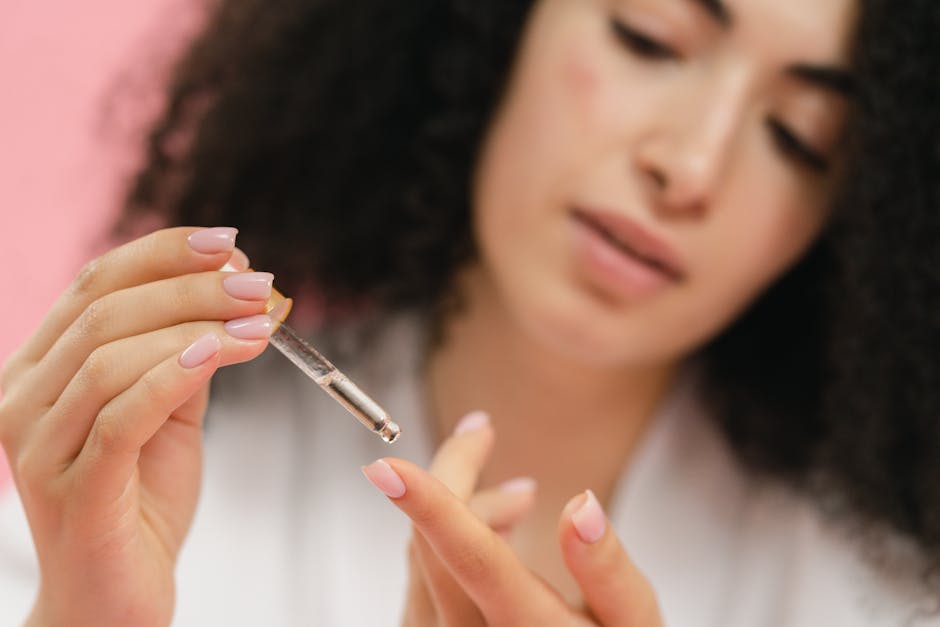
While Chafful has its place for general hydration, if you’re serious about tackling specific aging concerns, you need targeted products. I’ve refined my routine over years, and these are the serums I consistently repurchase, ignoring the latest trends.
For Deep Wrinkles: My Pick for Potent Retinoids
My absolute non-negotiable for deep wrinkles and overall skin rejuvenation is a strong retinoid. I rotate between Paula’s Choice 1% Retinol Treatment ($60) and a prescription tretinoin. The Paula’s Choice formulation is incredibly elegant, with skin-soothing ingredients that help mitigate the typical irritation of retinol. I apply it every other night. This isn’t a quick fix; it takes months to see significant results, but they are undeniable. If you’re new to retinoids, start with The Ordinary Granactive Retinoid 2% Emulsion ($12) a few times a week, gradually increasing frequency as your skin adapts.
For Brightening & Even Tone: My Vitamin C Stalwarts
For brightening dull skin, fading dark spots, and providing antioxidant protection, I always reach for a Vitamin C serum in the mornings. My tried-and-true, despite the hefty price tag, is Skinceuticals CE Ferulic ($182). It’s stable, effective, and truly makes my skin glow. However, for a fantastic alternative that delivers similar results without breaking the bank, the Timeless 20% Vitamin C + E Ferulic Acid Serum ($25) is a close second. I’ve gone through countless bottles of both.
For Hydration & Barrier Repair: My Everyday Essentials
Even with potent actives, a healthy skin barrier and good hydration are . For this, I rely on two key players. The Cosrx Snail Mucin Power Essence ($25) is incredible for soothing and deeply hydrating, providing a lovely base before other serums. For intense, lasting hydration and to reduce redness, I use the La Roche-Posay Hyalu B5 Serum ($40). It contains both hyaluronic acid and Vitamin B5, which is fantastic for skin repair. These are the unsung heroes that keep my skin happy and resilient while the heavy-duty actives do their work.
Final Verdict on Chafful: Is It Worth Your Money?
Here’s the short version: The Chafful Anti-Aging Serum is a perfectly decent hydrating serum with some nice skin-supporting peptides. It won’t hurt your skin, and it will likely make it feel softer and more hydrated. However, if you’re expecting dramatic wrinkle reduction or a significant overhaul of your skin’s firmness, you’ll probably be underwhelmed. It’s simply not formulated with the powerhouse ingredients at concentrations needed for those kinds of results.
- For Budget-Friendly Hydration: Yes, it’s a solid choice.
- For Gentle Skin Support: Yes, it offers some beneficial peptides and hydration.
- For Significant Anti-Aging: No, look to dedicated retinoids or high-potency Vitamin C serums instead.
- Compared to Other Basic Serums: It performs adequately, but doesn’t stand out as exceptional.
- Overall Value: Fair, given its price point and hydrating capabilities.