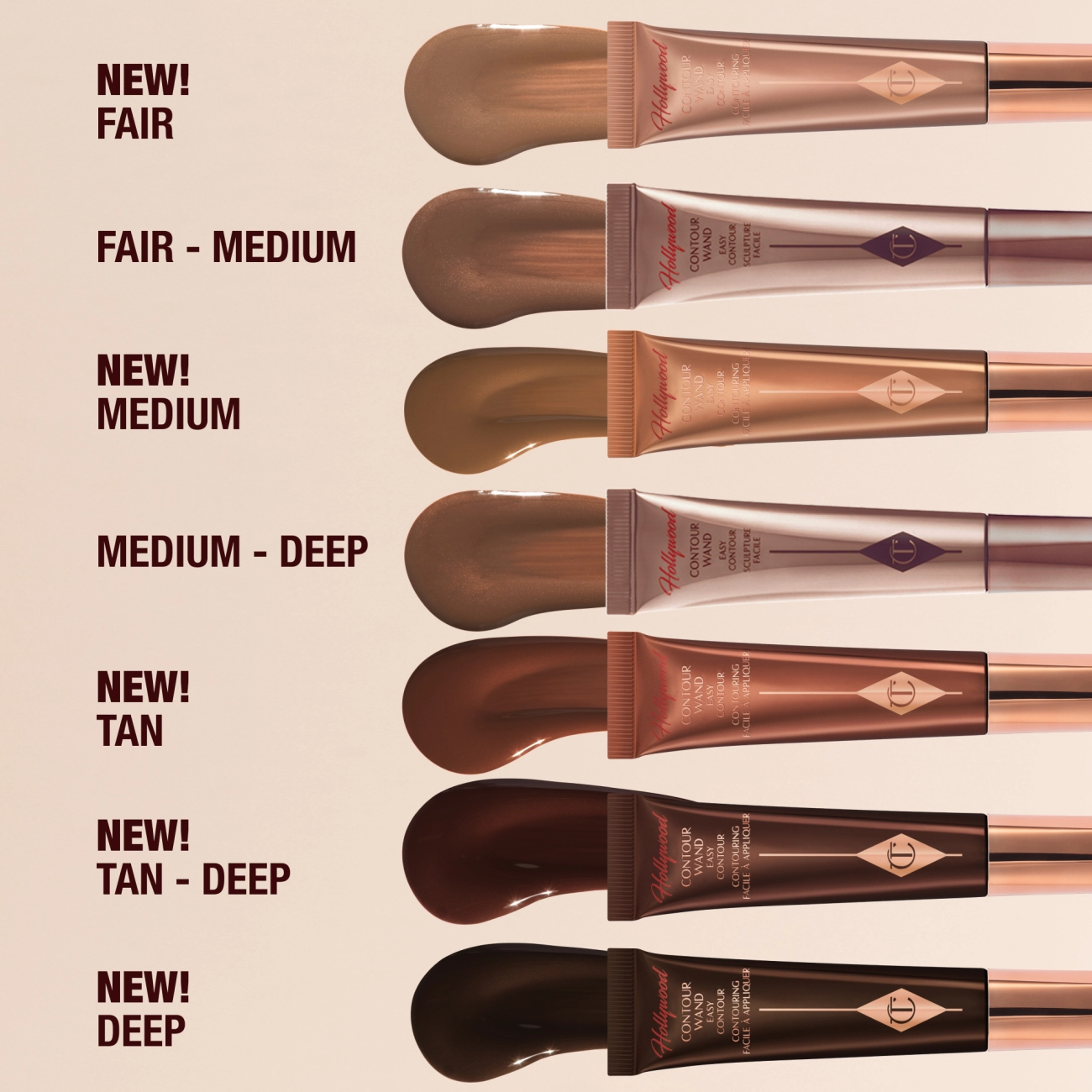
Before picking the perfect contour shade, it’s essential to understand the difference between skin tone and undertone. Your skin tone refers to the surface color of your skin—commonly categorized as fair, light, medium, tan, or deep. Meanwhile, your undertone is the subtle hue beneath the surface, which stays consistent no matter how much you tan or flush. Undertones are generally cool, warm, or neutral.
How to Identify Your Undertone
Finding your undertone is the key to choosing a contour shade that looks natural and blends seamlessly. Here are some easy, reliable tests:
Vein Test: Look at the veins on your wrist under natural light.
Blue or purple veins usually mean you have a cool undertone.
Greenish veins suggest a warm undertone.
If you see a mix of blue and green, you likely have a neutral undertone.
Jewelry Test: Think about whether you tend to look better in silver or gold jewelry.
Silver complements cool undertones.
Gold flatters warm undertones.
If both suit you, your undertone might be neutral.
White Cloth Test: Hold up a bright white cloth and then an off-white (cream) cloth next to your face.
Skin that looks better next to bright white has a cool undertone.
Skin that glows next to off-white usually has a warm undertone.
If both work well, your undertone is likely neutral.
Why Undertones Matter for Contour
Undertones are crucial because they affect how your contour shade blends with your natural skin. Choosing a contour with the wrong undertone can create harsh, unnatural lines—think ashy grays on warm skin or orange tones on cool skin. For a natural shadow effect, your contour should mimic natural shadows on your face, meaning a slightly cooler or neutral shade is often best, regardless of your warm or cool undertone.
Understanding your skin undertones guide starts here. Once you know your undertone, you’re one step closer to a flawless, sculpted look that enhances your natural beauty.
General Rules for Selecting the Perfect Contour Shade
Picking the right contour shade is key to creating natural-looking definition. Keep these simple rules in mind:
1. Shade Depth:
Choose a contour color 1 to 3 shades darker than your foundation or skin tone. This mimics the natural shadows on your face.
2. Undertone & Color:
Opt for cooler, muted contour shades like grayish or taupe-based tones. These imitate real shadows better than warm tones.
Save the warmth (golden or orange hues) for your bronzer instead.
Match your undertone if possible, but a neutral-cool contour works best for most skin tones and blends seamlessly.
3. Finish:
Use matte contours over shimmery ones. Matte formulas create authentic sculpted cheekbones without looking shiny or unnatural.
4. Testing Tips:
Always swatch shades on your jawline or neck in natural light.
Check how the contour blends with your natural face shadows before buying.
Tip
Why it matters
1-3 shades darker
Mimics natural shadows
Cool/muted undertones
Looks like real contour, not bronzer
Matte finish
Creates realistic sculpting without shine
Swatch in natural light
Ensures true match and easy blending
Following these simple guidelines ensures your contour enhances your features softly and naturally — no harsh lines or odd colors. For more on complexion basics, check out makeup tips that help you create balanced, glowing looks in any light.
Contour Shade Recommendations by Skin Tone
Fair/Light Skin
For fair or light skin tones, the best contour shades are soft taupe, cool beige-brown, or light grayish-brown. These subtle, muted cool tones create delicate definition without overpowering your complexion. Avoid orange or overly warm tones—they can look harsh and unnatural against paler skin. Opt for shades that mimic natural shadows to achieve a soft, sculpted look.
Medium Skin
If you have medium skin, choose neutral brown, sienna, or balanced taupe shades with a hint of warmth. These colors blend seamlessly with your natural skin tone and offer buildable depth that’s perfect for a versatile day-to-night contour. Steer clear of very ashy (gray) tones or shades that are too dark, as they can look muddy or heavy. A balanced, neutral contour shade helps highlight your features naturally.
Tan/Olive Skin
For tan or olive skin tones, contour shades like golden-brown, caramel, or olive-leaning neutrals work best. These slightly warm shades enhance the natural pigmentation without making your contour look flat. Avoid harsh cool grays that tend to dull olive undertones. A touch of warmth will give your contour a radiant, natural shadow effect.
Deep/Dark Skin
Deep or dark skin tones benefit from rich cocoa, espresso, or deep neutrals with balanced red and blue undertones. These shades add the right amount of dimension without appearing ashy or lifeless. Avoid grayish or low-pigment contours that lack depth—they can make your face look washed out. Choose pigmented contour products for a sculpted, vibrant finish.
For selecting contour shades that truly complement your skin, paying attention to undertones can make all the difference. If you want to explore how to test contour shades for your specific skin tone, check out comprehensive guides like this natural shadow contour technique for deeper insights.
Common Contouring Mistakes and How to Avoid Them
Getting the contour shade right isn’t just about color—it’s about technique too. Here are some common contour mistakes to watch out for, so your sculpted cheekbones and natural shadow contour look flawless:
Using bronzer as contour: Bronzer usually has warm, orange tones, which can clash if used as contour. Contour shades should be cooler or neutral to mimic real shadows, while warmth belongs to bronzer.
Going too dark or light: Applying a contour that’s too dark can make your makeup look muddy and unnatural. Too light, and the contour won’t show up at all. Aim for a shade 1-3 tones darker than your foundation for subtle depth.
Ignoring undertones: Not matching your contour to your skin undertone is a quick way to get ashy gray patches on warm skin or an orange cast on cooler skin types. Understanding your undertone guides you to the best contour shade match.
Poor blending or wrong placement: No matter how perfect the shade, heavy or patchy blending and incorrect contour placement can ruin the effect. Always blend well and stick to natural shadow areas like the hollows of cheeks, jawline, and sides of the nose.
Avoid these common errors to get the most natural and flattering contour every time.
Best Product Types and Application Tips
Choosing the right contour product type can make all the difference depending on your skin type and contouring skill level:
Powder contour: Great for oily and combination skin as it helps absorb excess shine. It’s easy to blend and build but can look powdery if over-applied.
Cream contour: Works beautifully on dry or mature skin, providing a natural, skin-like finish. It requires quick blending and often a damp sponge or brush for a smooth look.
Stick contour: Perfect for beginners or on-the-go touch-ups due to its precise application. It’s creamy but less buildable than other formulas, so layering carefully is key.
Essential Tools for Blending
Use a dense contour brush or an angled brush for powders to sculpt accurately.
A damp makeup sponge or synthetic brush helps blend creams and sticks seamlessly into the skin.
Avoid harsh lines by blending contour shades well into the jawline and hairline.
Step-by-Step Application Basics
Where to apply contour for natural sculpting:
Hollows of your cheeks: Suck in your cheeks and apply contour in the indent below your cheekbones.
Jawline: Shade along the jaw for definition and to reduce roundness.
Sides of the nose: Draw thin lines down the nose to slim and shape.
Blend the lines softly using circular motions or a damp sponge to create natural shadows rather than harsh marks.
Layering with Blush and Highlight
To avoid a flat look, always finish your contour with:
Blush on the apples of your cheeks for a healthy flush.
Highlight on the tops of cheekbones, tip of the nose, and brow bone to catch the light and balance the sculpting.
For more tips on skincare prep that enhances makeup results, check out this guide on effective skincare products. This step ensures your contour blends smoothly and stays put longer.
Mastering the right blending contour techniques with suitable products guarantees a natural shadow contour that enhances your features without looking cakey or harsh.