Acne Treatment Center: What They Actually Do (And Don’t Do)
Most people walk into an acne treatment center expecting the same thing: a quick fix. A single appointment that clears everything by the next morning. That expectation comes from marketing, not medicine. Acne treatment centers are medical facilities — often run by board-certified dermatologists or licensed estheticians under medical supervision. They do not sell magic. They sell diagnosis, prescription-grade treatments, and procedures that drugstore products cannot replicate. This article explains exactly what happens inside those doors, what the costs look like, and whether you actually need one.
What an Acne Treatment Center Actually Does (First Principles)
At the fundamental level, an acne treatment center exists because topical drugstore products fail for a specific group of patients. Acne is not just clogged pores. It is a multifactorial condition involving sebum production, Cutibacterium acnes bacteria, inflammation, and often hormonal triggers. Over-the-counter salicylic acid or benzoyl peroxide can manage mild comedonal acne (blackheads and whiteheads). But for inflammatory acne — papules, pustules, nodules, cysts — those ingredients hit a ceiling around 2% concentration. Prescription-strength treatments start at 5% benzoyl peroxide, and go up to 0.1% tretinoin, oral antibiotics, spironolactone, or isotretinoin.
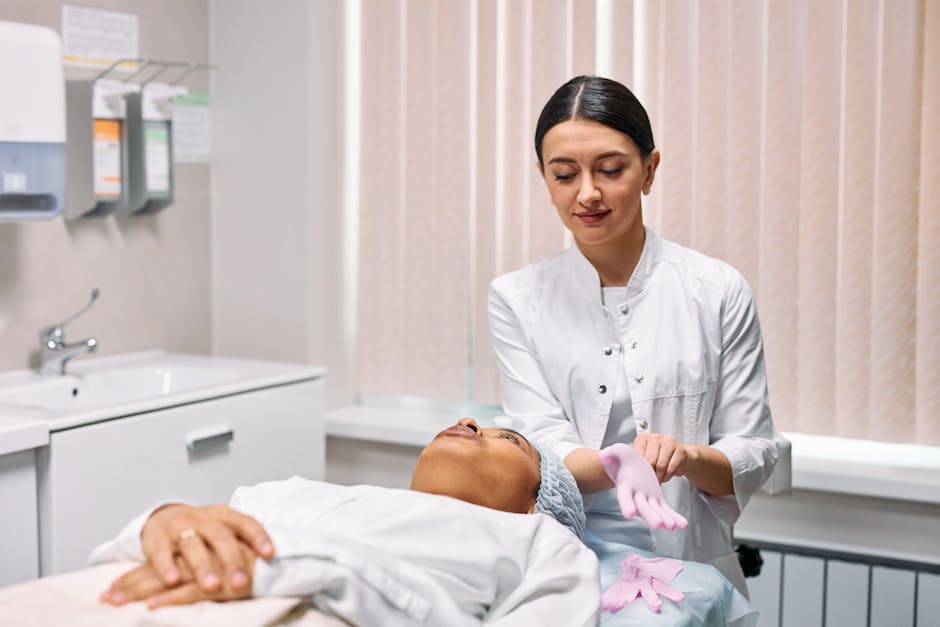
A treatment center bridges the gap between drugstore shelves and prescription medicine. The staff can perform a physical exam, assess acne severity using a standardized scale (like the Investigator’s Global Assessment or the Leeds acne grading system), and prescribe treatments that require a medical license. They also offer in-office procedures that physically remove or destroy acne lesions — extractions, chemical peels, laser therapy, and drainage of cysts.
What they do not do: diagnose without examining your skin. Most reputable centers require an in-person or high-resolution video consultation. They also do not guarantee complete clearance in one visit. A typical treatment plan spans 3–6 months, with follow-up appointments every 4–8 weeks. Anyone promising a “one-session cure” is selling something else.
Common Procedures Offered (And What Each Costs)
Below is a comparison of the most common in-office procedures at acne treatment centers across the United States. Prices are averages from 2026–2026 data collected from dermatology clinics in major metro areas (New York, Los Angeles, Chicago, Houston). These are out-of-pocket estimates — insurance may cover some if a medical diagnosis is made.
| Procedure | What It Does | Average Cost Per Session | Number of Sessions Needed | Best For |
|---|---|---|---|---|
| Extraction | Manual removal of blackheads, whiteheads, and pustules using a comedone extractor tool | $75–$150 | 1–2 per month for maintenance | Comedonal acne (non-inflamed) |
| Chemical Peel (glycolic/salicylic acid) | Application of a chemical solution to exfoliate the top layers of skin, reduce oil, and unclog pores | $150–$300 | 3–6, spaced 2–4 weeks apart | Mild to moderate inflammatory acne |
| Laser Therapy (e.g., V-Beam, IPL) | Targets blood vessels feeding inflamed lesions, reduces redness and PIE (post-inflammatory erythema) | $300–$600 | 3–5, spaced 4–6 weeks apart | Redness, persistent inflammation, early scarring |
| Intralesional Corticosteroid Injection | Diluted steroid injected directly into a large, painful cyst or nodule to shrink it within 24–48 hours | $100–$200 per injection | 1–2 per lesion (as needed) | Cystic or nodular acne (single lesions) |
| Microneedling (for scars) | Fine needles puncture skin to stimulate collagen production, improving atrophic scars over months | $200–$700 | 3–6, spaced 4–6 weeks apart | Post-acne scarring (boxcar, rolling, icepick scars) |
Key takeaway: Extraction and chemical peels are the most affordable entry points. Laser and microneedling are for residual redness or scarring, not active breakouts. If you have active cystic acne, the best first step is a corticosteroid injection or prescription medication, not a peel.
When a Treatment Center Beats Drugstore Products (And When It Doesn’t)
This is the question most people actually want answered. The honest answer: it depends on your acne type and severity. Let me break it down by category.
Mild comedonal acne (blackheads, whiteheads on forehead/chin): A treatment center is overkill. A consistent routine with 2% salicylic acid (like Paula’s Choice Skin Perfecting 2% BHA Liquid Exfoliant, $34) and a non-comedogenic moisturizer can clear this in 6–8 weeks. Save your $150 for something else.
Moderate inflammatory acne (red papules, pustules on cheeks/jawline): This is the gray zone. Drugstore benzoyl peroxide (like PanOxyl 10% Benzoyl Peroxide Wash, $11) works for some. But if you’ve used it consistently for 8 weeks with no improvement, a clinic can prescribe a topical retinoid (tretinoin 0.025%, $30–$60 with insurance) or a combination of clindamycin and benzoyl peroxide gel. The clinic visit itself may cost $100–$200, but the prescription can be cheaper than buying multiple drugstore products that don’t work.
Severe or cystic acne (deep, painful bumps under skin): A treatment center is not optional — it is medically necessary. Cystic acne left untreated can cause permanent scarring within weeks. Oral medications like spironolactone (for women) or isotretinoin (Accutane) require monitoring through bloodwork and regular check-ins. Drugstore products cannot touch this.
Post-acne scars: A clinic is the only real option. Over-the-counter scar creams with silicone or vitamin C can fade surface discoloration, but atrophic scars (depressions in the skin) require microneedling, laser resurfacing, or subcision. These are medical procedures, not skincare products.
3 Mistakes People Make When Choosing an Acne Treatment Center
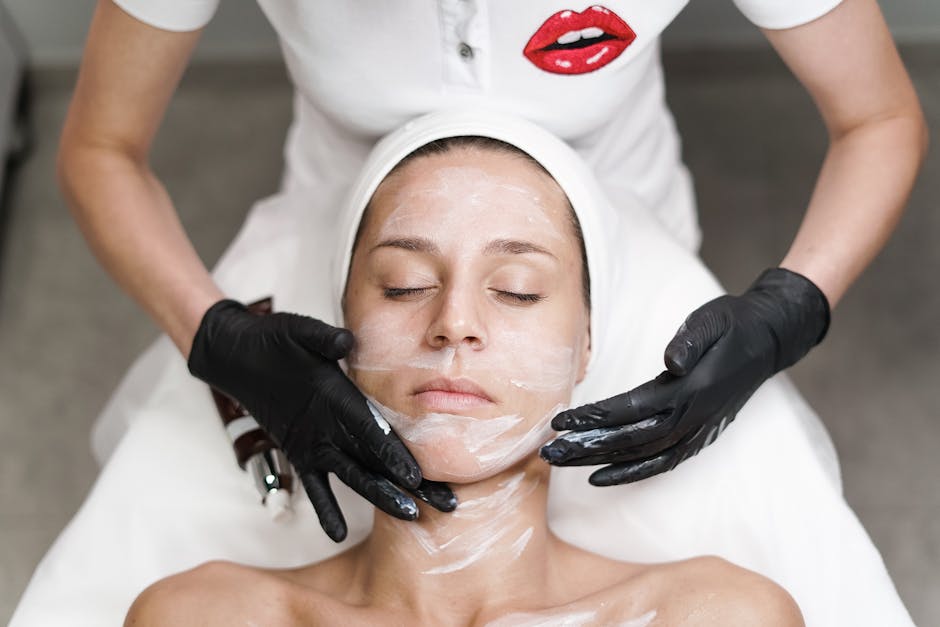
Mistake #1: Picking a med spa over a medical clinic. Med spas are licensed esthetician practices offering facials, peels, and light treatments. They cannot prescribe medication, drain cysts, or diagnose medical conditions. If you have inflammatory acne, you need a dermatologist or a clinic with a supervising physician. Check the clinic’s website for “board-certified dermatologist” or “medical director: MD.” If you see only “licensed esthetician,” that clinic cannot treat cystic acne.
Mistake #2: Assuming insurance covers everything. Many clinics list “acne treatment” as a cosmetic service. Insurance typically covers medical dermatology — diagnosis of acne, prescription medications, and drainage of infected cysts. It does not cover cosmetic peels, laser for redness, or microneedling for scars. Before booking, call your insurance and ask: “Is code 99202–99215 (office visit) covered for acne?” and “Is intralesional injection (code 11900) covered?” Get the answer in writing.
Mistake #3: Going for the cheapest option first. A $50 Groupon chemical peel from a med spa might sound like a deal. But if you have active inflammatory acne, a peel can spread bacteria, worsen inflammation, and cause post-inflammatory hyperpigmentation that takes months to fade. A $200 consultation with a dermatologist who diagnoses your acne type and prescribes the correct treatment is cheaper in the long run than three $50 peels that make things worse.
How to Evaluate a Treatment Center (Checklist)
Before you book, run through this checklist. I wrote this after reviewing clinic websites and patient reviews for 20 centers across the U.S.
- Medical supervision: Is a board-certified dermatologist on-site or available via telemedicine for prescriptions? If no, skip it.
- Diagnosis protocol: Do they require an initial consultation before any procedure? A clinic that lets you book a peel without a skin exam is a red flag.
- Treatment plan transparency: Do they give you a written plan with expected number of sessions, total cost, and realistic timeline? Avoid clinics that say “we’ll see how it goes” without a roadmap.
- Reviews for acne specifically: Look for reviews from people with your acne type. A clinic that has 100 five-star reviews for anti-aging facials may have zero experience with cystic acne.
- Aftercare instructions: Do they provide written aftercare? Do they have a nurse or esthetician available for questions between visits? If they hand you a generic printout, find another clinic.
One more thing: A good clinic will tell you when you don’t need them. If your acne is mild and you respond to drugstore products, an honest dermatologist will say “try this routine for 8 weeks and come back if it doesn’t work.” A clinic that pushes a $2,000 package on your first visit is selling, not treating.
What to Expect at Your First Appointment (Step by Step)
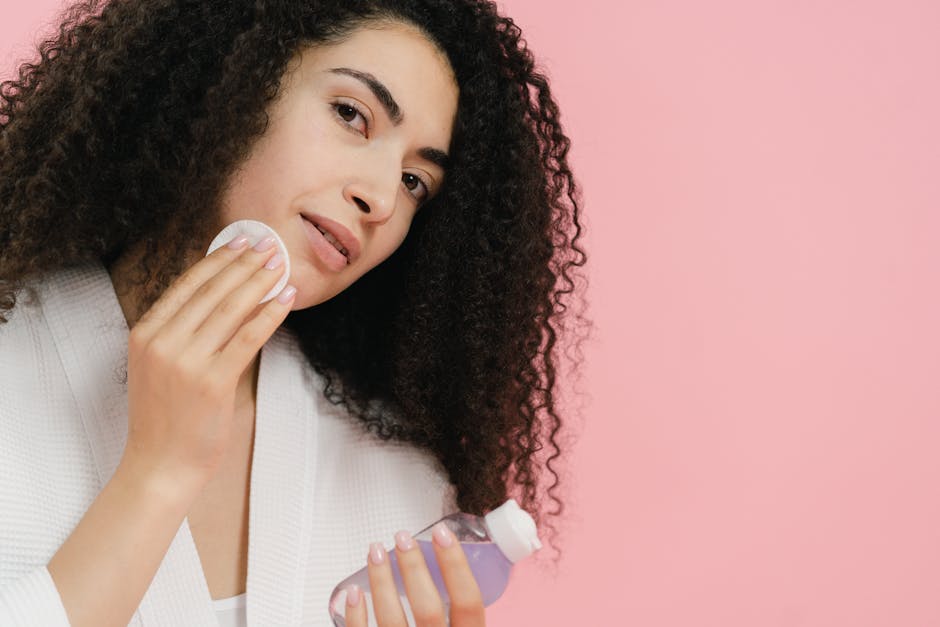
Here is the exact sequence of events at a typical first visit to a medical acne treatment center. This is based on protocols from clinics in California and New York that specialize in acne.
Step 1: Intake forms (10 minutes). You fill out a medical history form including current medications, allergies, past acne treatments, and whether you are pregnant or breastfeeding (critical for isotretinoin and spironolactone).
Step 2: Skin exam (15 minutes). A dermatologist or physician assistant examines your face, chest, and back under bright light. They may use a Wood’s lamp (UV light) to identify bacterial activity or pigment issues. They count lesions and grade severity. Expect them to touch your skin — they will palpate cysts to assess depth and tenderness.
Step 3: Diagnosis and treatment plan (10–15 minutes). The clinician tells you your acne type (comedonal, inflammatory, cystic, hormonal) and severity (mild, moderate, severe). They propose a plan: topical prescription, oral medication, in-office procedure, or a combination. They should explain expected timeline, side effects, and cost. Ask for a printed summary.
Step 4: Procedure (if applicable, 15–30 minutes). If you opt for extractions, a peel, or an injection, it happens same-day. If they prescribe oral medication, you may need bloodwork first (for isotretinoin or spironolactone).
Step 5: Checkout and scheduling (5 minutes). You pay for the visit (copay or self-pay), schedule the next appointment (usually 4 weeks out), and receive aftercare instructions. If you got a prescription, it is sent electronically to your pharmacy.
Alternatives to a Treatment Center (When to Skip the Clinic)
Not everyone needs a treatment center. Here are three scenarios where you should save your money and try something else first.
Scenario 1: You have occasional breakouts (1–3 pimples per month). A spot treatment with 2% salicylic acid or 10% benzoyl peroxide (like La Roche-Posay Effaclar Duo, $36) is sufficient. A clinic visit is unnecessary unless those breakouts leave scars.
Scenario 2: Your acne is clearly linked to a specific product or lifestyle factor. If you started breaking out after switching moisturizers or eating more dairy, eliminate the trigger first. Give it 4 weeks. If the breakouts stop, you saved a clinic bill. If they persist, then see a professional.
Scenario 3: You want only scar treatment, no active acne. In this case, a general dermatologist can assess your scars and refer you to a laser or microneedling specialist. You do not need a dedicated “acne treatment center” — any clinic with a laser device and a trained operator will do. Focus on the provider’s experience with your scar type, not the clinic name.
My recommendation: If you have tried two different over-the-counter routines (one with salicylic acid, one with benzoyl peroxide) for 8 weeks each with no improvement, or if you have any deep, painful bumps, book a consultation with a board-certified dermatologist. Not a med spa. Not a facialist. A medical doctor. That single visit, costing $100–$250, will save you months of trial and error and hundreds of dollars on products that cannot solve your problem.