
Finally Clear Skin: Your 2026 Acne Skincare Routine Guide
You wake up, glance in the mirror, and there it is: another breakout. That familiar red bump, or maybe a constellation of tiny ones, staring back. You’ve tried cleansers, spot treatments, even home remedies your aunt swore by. The frustration builds because no matter what you do, the acne seems to stick around, sometimes even getting worse. It feels like a never-ending battle, draining your confidence and making you second-guess every skincare choice.
But what if there was a routine, backed by solid research and specific ingredients, that could actually make a difference? A plan for 2026 that cuts through the noise and delivers real results? You don’t need a dozen expensive products or complicated steps. What you need is a strategic, consistent approach that targets acne at its root, protects your skin, and fosters healing. This guide lays out a clear, actionable skincare routine, detailing specific product types and active ingredients to help you achieve clearer, calmer skin. We’ve done the deep dive so you don’t have to.
Morning Essentials: Protecting Your Skin from Breakouts
Your morning routine isn’t just about waking up your skin; it’s about setting it up for defense against the day’s aggressors. This means gentle cleansing, targeted treatment, and, most critically, robust sun protection. Skipping any of these steps leaves your skin vulnerable, potentially worsening existing acne and creating new problems. Consistency here builds the foundation for clear skin.
Many people with acne-prone skin fall into the trap of over-cleansing or using harsh products in an attempt to dry out pimples. This strategy often backfires, stripping the skin’s natural barrier and leading to increased oil production and irritation. A healthy skin barrier is essential for fighting off bacteria and healing blemishes, so prioritize gentleness.
Gentle Cleansers: What to Look For
Start your day with a mild, pH-balanced cleanser that won’t strip your skin. Look for formulations labeled ‘non-comedogenic’ or ‘oil-free.’ These types of cleansers remove surface impurities, excess oil, and overnight product residue without disrupting your skin’s delicate acid mantle. Ingredients like ceramides or hyaluronic acid can be beneficial, as they help maintain moisture without clogging pores. Avoid harsh sulfates, strong fragrances, or physical exfoliants that can irritate active breakouts and spread bacteria. For many, a simple foaming cleanser works best.
A reliable option is the **CeraVe Foaming Facial Cleanser** (around $15 for 16 oz). It contains ceramides and hyaluronic acid, effectively cleaning without causing dryness or irritation. Another excellent choice is the **La Roche-Posay Toleriane Purifying Foaming Facial Cleanser** (about $16 for 13.52 oz), known for its gentle cleansing power suitable for sensitive, acne-prone skin.
Targeted Serums: Spot Treatment vs. All-Over
After cleansing, apply a targeted serum. This step allows you to deliver active ingredients directly to where they’re needed most. For widespread breakouts, an all-over serum with salicylic acid or niacinamide can help manage oil production and inflammation. For individual spots, a precise spot treatment is more effective. The key is to choose an ingredient that addresses your specific type of acne.
If you’re dealing with inflammatory acne (red, painful pimples), a product like **La Roche-Posay Effaclar Duo Dual Action Acne Treatment** (around $30 for 1.35 fl oz) contains 5.5% benzoyl peroxide to kill acne-causing bacteria and micro-exfoliating Lipo-Hydroxy Acid to clear clogged pores. For general oil control and redness reduction, a niacinamide serum, such as The Ordinary Niacinamide 10% + Zinc 1% (about $7 for 1 oz), can be very effective when applied to the entire face. Remember, a little goes a long way with these active ingredients.
Non-Comedogenic SPF: Your Daily Armor
This is arguably the most critical step in any skincare routine, especially for acne-prone skin. Sun exposure can worsen post-inflammatory hyperpigmentation (PIH), the dark spots left behind by pimples. Many acne treatments, particularly retinoids and alpha/beta hydroxy acids, also increase your skin’s sensitivity to the sun. A good sunscreen protects against UV damage, prevents dark spots from deepening, and helps maintain an even skin tone.
Always choose a broad-spectrum sunscreen with an SPF of 30 or higher that is explicitly labeled **non-comedogenic**. This means it’s formulated not to clog pores. Mineral sunscreens containing zinc oxide or titanium dioxide are often preferred for sensitive and acne-prone skin due to their gentle nature and soothing properties. However, modern chemical sunscreens are also formulated to be lightweight and non-clogging. The **EltaMD UV Clear Broad-Spectrum SPF 46** (around $41 for 1.7 oz) is a dermatologist favorite because it contains niacinamide and is specifically designed for acne-prone and sensitive skin, leaving no white cast.
Nighttime Repair: Active Ingredients That Work

The evening is your skin’s dedicated time for repair and regeneration. This is when you introduce more potent active ingredients that work to clear existing breakouts, prevent new ones, and rejuvenate your skin while you sleep. A well-structured nighttime routine supports cellular turnover and helps combat the root causes of acne. Don’t underestimate the power of consistent evening care.
Here’s a breakdown of the essential steps for an effective nighttime acne regimen:
- Double Cleansing Best Practices:
Begin with a double cleanse to thoroughly remove makeup, sunscreen, and the day’s accumulated grime. The first cleanse should be an oil-based cleanser or micellar water. This step efficiently dissolves oil-based impurities without stripping the skin. Follow up with a gentle, water-based cleanser, similar to your morning one, to clean the skin more deeply. This two-step process ensures your skin is perfectly clean and ready to absorb subsequent treatments.
A popular and effective oil cleanser is **Kose Softymo Speedy Cleansing Oil** (often found for $10-12 for 7.7 fl oz online), which rinses clean without leaving a residue. For your second cleanse, you can use the same gentle cleanser as in the morning, like the CeraVe Foaming Facial Cleanser.
- Retinoids: Starting Slow:
After cleansing, apply a retinoid. Retinoids, such as adapalene, tretinoin, and retinol, are powerhouse ingredients for acne. They work by increasing cell turnover, preventing dead skin cells from clogging pores, and reducing inflammation. Adapalene 0.1% gel is available over-the-counter and is an excellent starting point for most people. However, retinoids can be irritating initially, causing redness, dryness, and peeling. It’s crucial to start slowly—apply a pea-sized amount 2-3 times a week, gradually increasing frequency as your skin tolerates it.
The **Differin Adapalene Gel 0.1%** (around $15-20 for 0.5 oz) is a top recommendation for over-the-counter retinoids. Apply it to clean, dry skin, avoiding the eye area. If you experience significant irritation, try the “sandwich method”: apply a thin layer of moisturizer, then the retinoid, then another layer of moisturizer to buffer its effects.
- Moisturizing: Don’t Skip It:
Even if your skin is oily or acne-prone, moisturizing is non-negotiable, especially when using active treatments like retinoids or benzoyl peroxide. These ingredients can cause dryness and compromise the skin barrier. A good moisturizer helps repair this barrier, reduces irritation, and keeps your skin hydrated, preventing it from overproducing oil to compensate for dryness. Look for a lightweight, non-comedogenic moisturizer that provides ample hydration without feeling heavy.
The **Vanicream Moisturizing Cream** (about $13-15 for 16 oz) is an excellent, no-frills option. It’s free of common irritants like dyes, fragrance, parabens, and formaldehyde, making it ideal for sensitive and acne-prone skin. Apply it generously after your retinoid has had a few minutes to absorb.
The Truth About Common Acne Myths (2026 Edition)
Navigating acne advice can feel like wading through a sea of old wives’ tales and misinformation. In 2026, with so much content readily available, it’s more important than ever to separate fact from fiction. Many popular beliefs about acne are not only incorrect but can actively harm your skin or delay effective treatment. Let’s debunk some of the most persistent myths that still circulate today.
Does Diet Cause Acne?
This is perhaps the most debated acne myth, and the answer isn’t a simple yes or no. For most people, diet doesn’t directly ’cause’ acne in the way that bacteria or hormones do. However, certain dietary patterns can influence or existing acne for *some* individuals. High glycemic index foods (like white bread, sugary snacks) and dairy products have been linked to acne flares in susceptible people, likely due to their impact on insulin-like growth factor 1 (IGF-1) and inflammation. That said, eliminating these foods won’t cure severe acne, and restricting your diet unnecessarily isn’t recommended without consulting a healthcare professional. Focus on a balanced diet rich in fruits, vegetables, and lean proteins, and observe if any specific foods consistently trigger your breakouts.
Should I Scrub My Face Harder?
Absolutely not. This is a classic and damaging myth. The idea that scrubbing vigorously will “clean out” pores or “exfoliate away” pimples is false. Acne is not caused by dirt on the skin’s surface. In fact, aggressive scrubbing, using harsh physical exfoliants, or over-washing can severely irritate your skin, worsen inflammation, and damage your skin barrier. This can lead to more redness, increased sensitivity, and even more breakouts. Think of it this way: scrubbing an inflamed pimple is like poking a bruise; it only makes it worse. Stick to gentle cleansing and chemical exfoliants (like salicylic acid) if you need to unclog pores. Your skin needs a gentle touch to heal.
Can Toothpaste Clear Pimples?
Please, for the sake of your skin, do not put toothpaste on pimples. This age-old “hack” is highly ineffective and potentially harmful. While some toothpastes contain ingredients like baking soda or alcohol that can temporarily dry out a pimple, they also contain a host of other ingredients (like fluoride, menthol, and flavorings) that are not formulated for skin and are incredibly irritating. Applying toothpaste can lead to significant redness, dryness, chemical burns, and post-inflammatory hyperpigmentation that takes weeks or months to fade. There are many safe and effective spot treatments available that are specifically designed for skin. Save the toothpaste for your teeth.
Ingredient Showdown: Salicylic Acid vs. Benzoyl Peroxide
When it comes to over-the-counter acne treatments, two ingredients consistently rise to the top: salicylic acid and benzoyl peroxide. Both are highly effective, but they work in different ways and are best suited for different types of acne. Understanding their mechanisms and ideal uses can significantly improve your treatment strategy. Choosing the right one, or knowing when to combine them, is key to success.
Salicylic Acid: Best For
Salicylic acid (a Beta Hydroxy Acid, or BHA) is oil-soluble, meaning it can penetrate deep into pores to dissolve sebum and dead skin cells that cause blackheads and whiteheads. It’s an excellent choice for non-inflammatory acne, which includes:
- Blackheads: Open comedones where the pore is clogged but open to the air, causing the dark appearance.
- Whiteheads: Closed comedones where the pore is clogged and covered by a thin layer of skin.
- Mild inflammatory acne: Can help with smaller, less inflamed bumps.
Salicylic acid also has mild anti-inflammatory properties. It helps to gently exfoliate the skin’s surface, promoting a smoother texture and preventing new clogs. Concentrations typically range from 0.5% to 2% in over-the-counter products.
Benzoyl Peroxide: Best For
Benzoyl peroxide (BP) is a potent ingredient primarily known for its antibacterial properties. It works by releasing oxygen into the pore, which kills the P. acnes bacteria (now known as C. acnes) that contributes to inflammatory acne. It also helps to shed dead skin cells and clear pores, though its primary strength is germicidal. Benzoyl peroxide is ideal for inflammatory acne, including:
- Papules: Small, red, tender bumps.
- Pustules: Red, tender bumps with a white center (pus).
- Cystic acne: While severe cases often require a dermatologist, BP can be part of a broader treatment plan.
Benzoyl peroxide can be more irritating than salicylic acid, and it can bleach fabric, so caution is advised. Concentrations typically range from 2.5% to 10%.
Comparing the Two:
| Feature | Salicylic Acid (BHA) | Benzoyl Peroxide |
|---|---|---|
| Primary Action | Exfoliates inside pores, dissolves oil, mild anti-inflammatory | Kills acne-causing bacteria, removes dead cells |
| Best For | Blackheads, whiteheads, mild breakouts | Inflammatory acne (papules, pustules) |
| Solubility | Oil-soluble (penetrates sebum) | Water-soluble (oxygenates pores) |
| Potential Side Effects | Mild dryness, peeling, irritation | Significant dryness, redness, peeling, bleaching fabric |
| Common Products | Toners, serums, cleansers | Cleansers, spot treatments, creams |
| Price Example | Paula’s Choice 2% BHA Liquid Exfoliant ($34/4 oz) | PanOxyl Acne Foaming Wash 10% Benzoyl Peroxide ($10/5.5 oz) |
Combining Treatments Safely
For some, combining these ingredients can yield superior results, especially if you experience both comedonal and inflammatory acne. However, using both can increase the risk of irritation. A common strategy is to use salicylic acid in the morning (e.g., in a cleanser or serum) and benzoyl peroxide or a retinoid at night. Never use both benzoyl peroxide and a retinoid like adapalene at the exact same time unless specifically instructed by a dermatologist, as BP can deactivate some retinoids (though adapalene is more stable). Always introduce one new product at a time and patch test to monitor your skin’s reaction.
When to See a Dermatologist: A Clear Recommendation
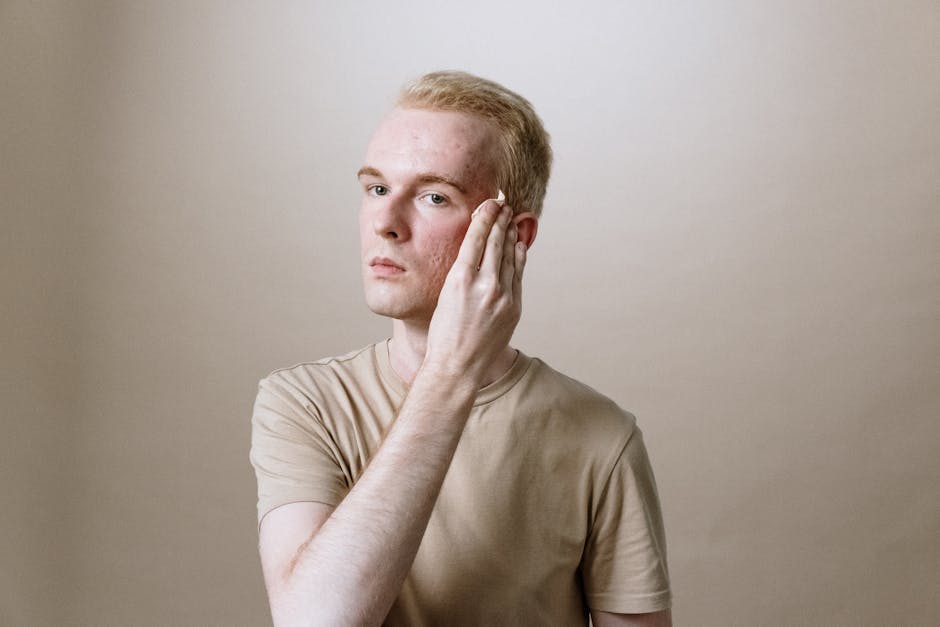
Despite your best efforts with over-the-counter products and consistent routines, sometimes acne just doesn’t respond. If you’ve been diligent with an effective routine for 6-8 weeks and still see no significant improvement, or if your acne is severe (deep cysts, nodules, widespread inflammation), it’s time to consult a dermatologist. These skin specialists can offer prescription-strength treatments, including oral medications or stronger topical retinoids, that go beyond what you can buy off the shelf. Don’t delay professional help if your acne is painful, scarring, or significantly impacting your quality of life. Ultimately, clear skin in 2026 comes down to consistency, the right ingredients, and knowing when to ask for expert help.